by Jules Da Costa, age 17
As toxic PFAS continue to plague Wisconsin’s water supplies, elected officials are butting heads over who should foot the bill for the damage. While both political parties claim to want to protect innocent landowners, their plans could determine whether polluters or taxpayers should carry the cost.
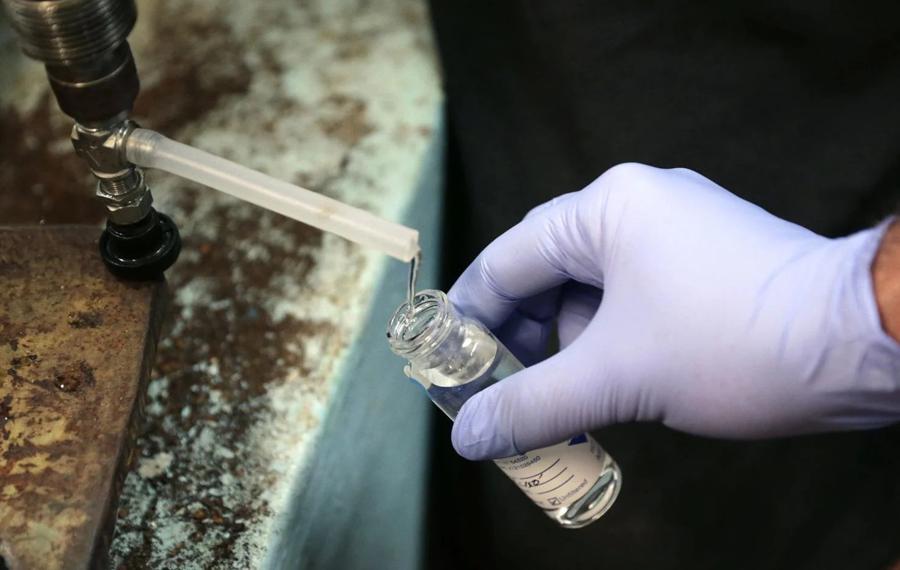
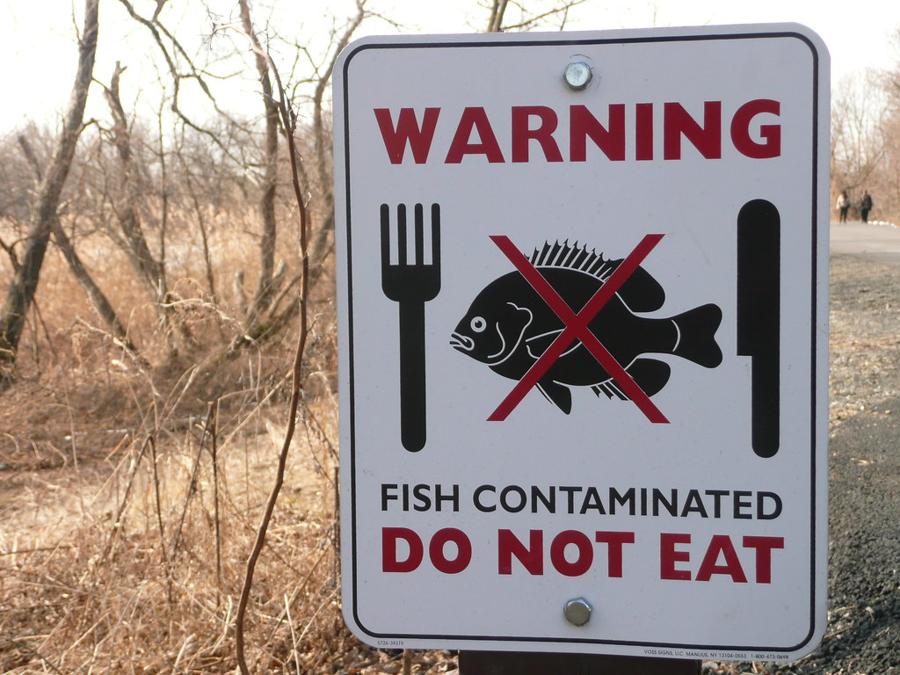
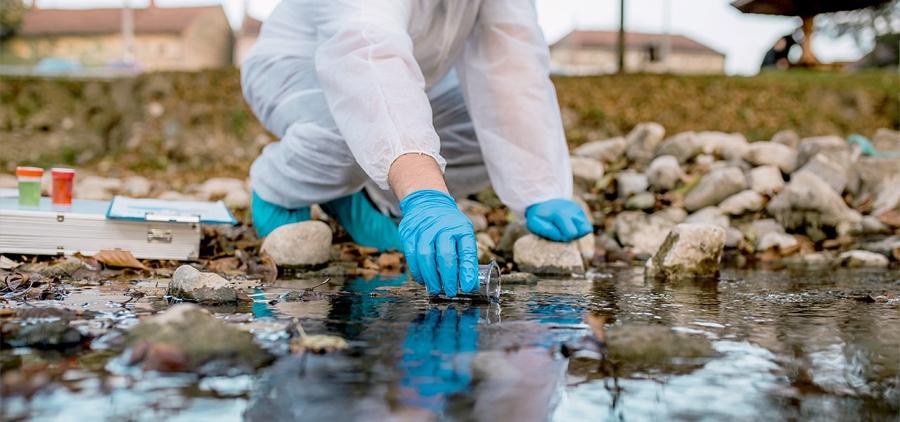
PFAS or per- and polyfluoroalkyl substances are “forever chemicals” found in everyday products, such as nonstick cookware, food wrappers, and waterproof clothing. These chemicals don't break down easily and linger in the environment for decades, causing fertility issues, increased risks of cancer, and other health issues. They have recently been found in Wisconsin soil and water, especially in farmland fertilized with sludge from sewage treatment plants. Once on the ground, PFAS can contaminate groundwater and surface water, both vital drinking water sources for humans, raising serious public health concerns. The Wisconsin Department of Natural Resources (DNR) is currently monitoring more than 100 PFAS-contaminated sites, with many of them in residential and farmland areas.
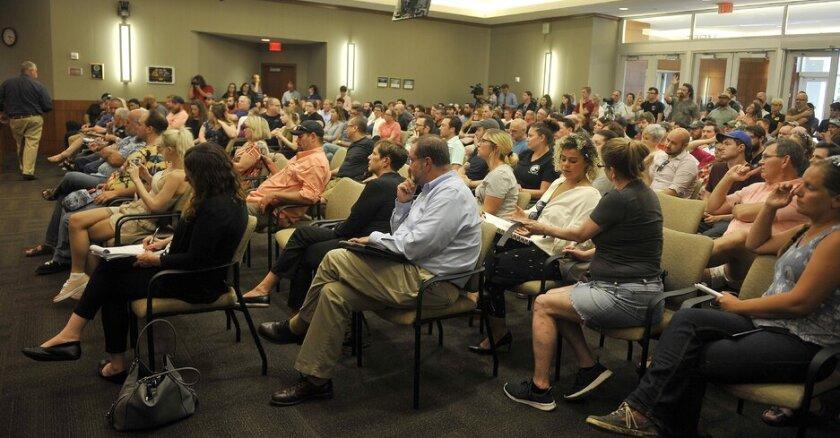
This growing PFAS crisis has sparked political conflict over who should take on the cost of cleanup. Gov. Tony Evers has proposed an item in the new state budget addressing PFAS contamination. It would exempt “innocent” agricultural and residential landowners, those who did not knowingly cause PFAS contamination on their property, from paying for the cost of cleanup if they give the Wisconsin DNR access to the affected properties for testing and cleanup. However, Republican lawmakers argue that Evers’ version is too narrow and doesn’t offer enough protection for landowners. Evers vetoed a Republican version of the innocent landowner bill last year, arguing that the language was too vague and could allow actual polluters to escape responsibility. Meanwhile, new Republican bills are proposing policies that limit the DNR's ability to enforce the spills law, which requires anyone who controls land polluted by hazardous chemicals or is responsible for releasing them into the environment to take the necessary steps to clean it up. [Read More]



















_(49896915791).jpg)