







New Medical Breakthrough May Someday Enable Human Adults to Regrow Teeth
by Brooklynn Miller, age 12
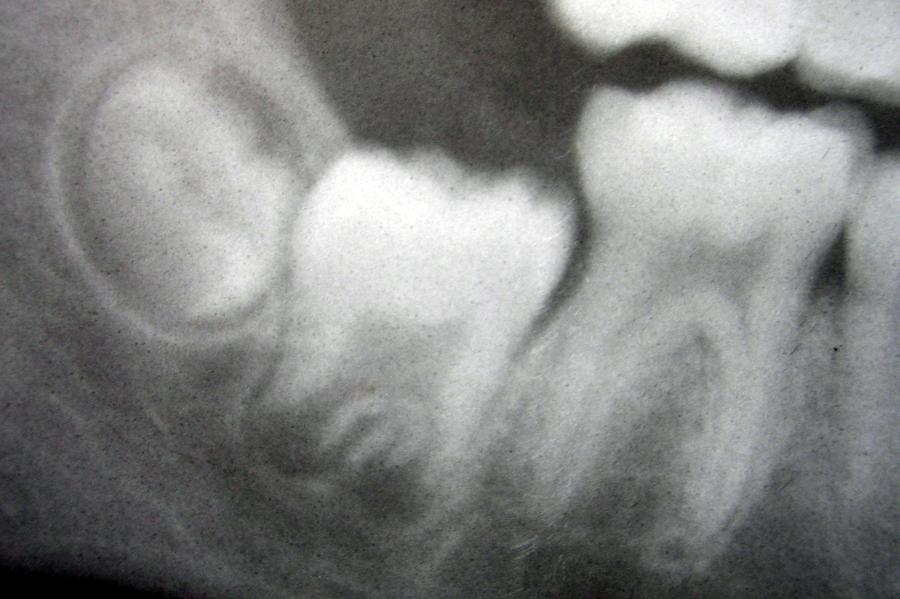
Researchers at Kyoto University Hospital in Japan began trials of a tooth regeneration drug, only a test for now, in October 2024. This is the first medical experiment solely focused on stimulating biological tooth regeneration in adults.
Surprisingly, it has been proven that the medicine is not merely creating something from an idea, but is rather unlocking a process the body already knows how to do. It is something we have already, and always, had.
This is the dormant tooth bud. Dormant tooth buds are a biological structure inside our mouths capable of making a third set of teeth. Our body has just been suppressing it. If it passes the tests, researchers say, the treatment should be available in 2030. [Read More]













.jpg)




.jpg)

































































.webp)