The Duchess Who Became Queen of Two Countries
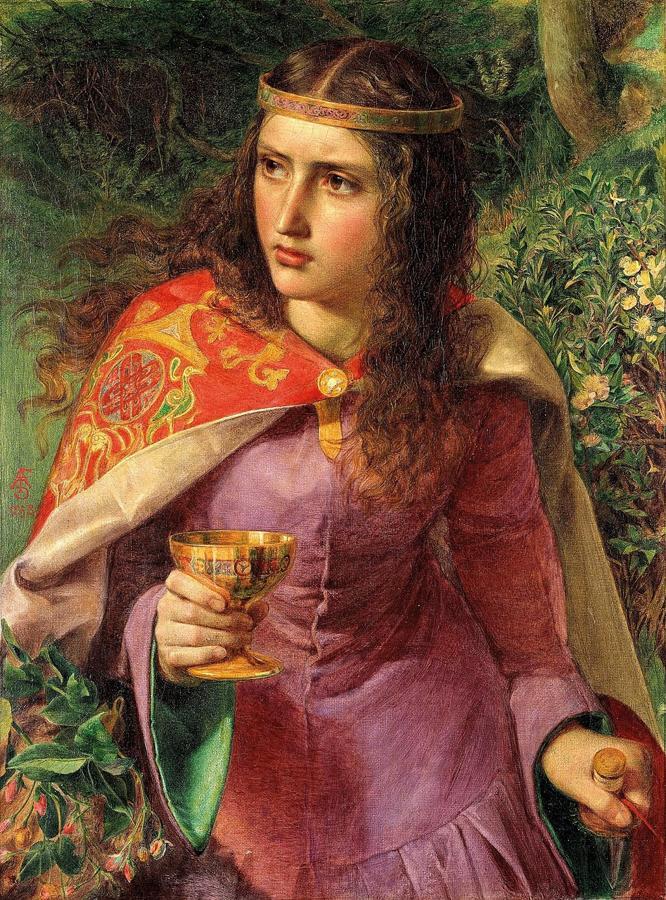
by Cataleya Garcia Fox, age 12
Eleanor of Aquitaine was one of the most powerful and influential rulers in medieval history, serving as both Queen of France and England.
Born in 1122, Eleanor was the Duchess of Aquitaine, a wealthy region in southwestern France. After her father died in 1137, at the age of 15, Eleanor became one of the most sought-after brides in Europe. King Louis VI of France arranged for her to marry his son, Prince Louis. Shortly after their wedding on July 25, 1137, Louis VI died, and Eleanor and her husband became King Louis VII and Queen of France.
Eleanor and Louis VII had two daughters, Marie and Alix, but their marriage began falling apart due to their inability to produce a male heir. This, along with Eleanor’s independent nature, led to their marriage being annulled in March 1152. The annulment returned Eleanor’s vast lands in Aquitaine to her control.
Just two months later, Eleanor married Henry of Anjou, who became King Henry II of England in 1154. As Queen of England, Eleanor played a significant role in governing the vast Angevin Empire, which stretched across England and much of France. Together, Eleanor and Henry II had eight children, including future kings Richard I (the Lionheart) and John.
However, in 1173, Eleanor supported her sons in a rebellion against Henry II, leading to her imprisonment. She remained confined for 16 years until Henry died in 1189. Upon her release, Eleanor became a key advisor to her son, King Richard I. She acted as regent while Richard was on a crusade and played a critical role in negotiating his ransom when he was captured.
Eleanor of Aquitaine’s life was marked by power, resilience, and political influence. She navigated the complexities of medieval rule, overcame imprisonment, and shaped the future of European dynasties. Her legacy as both Queen of France and Queen of England cements her as one of the most remarkable figures of the Middle Ages.
[Sources: English-Heritage; BBC]











Loading Comments...