






How Stars Are Born, Evolve, and Die
by Amayah Henderson, age 12
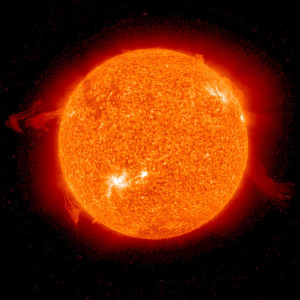
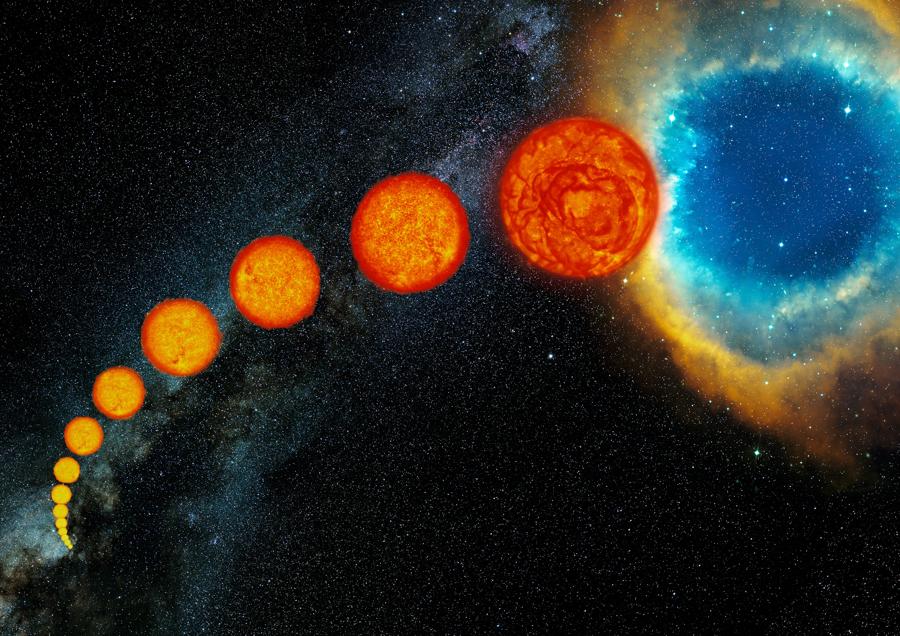
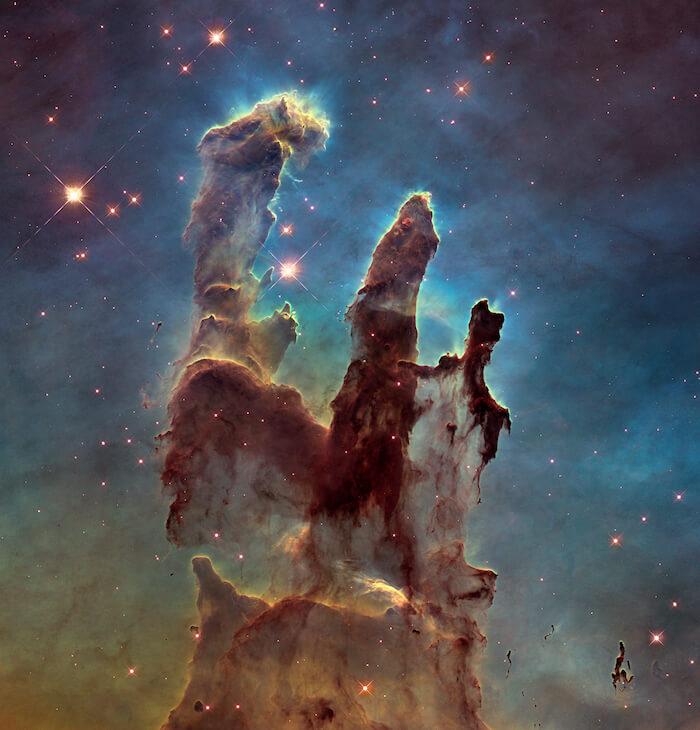
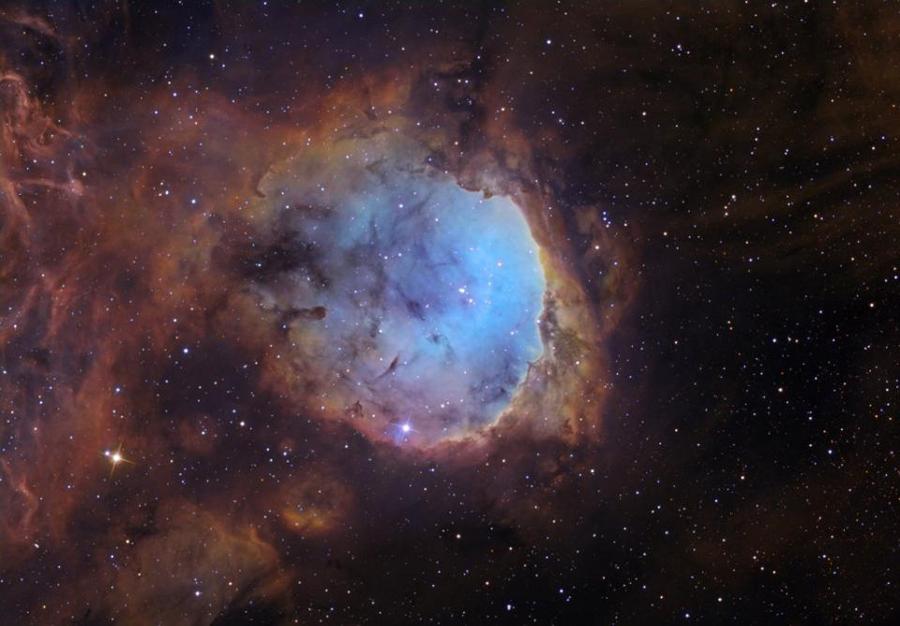
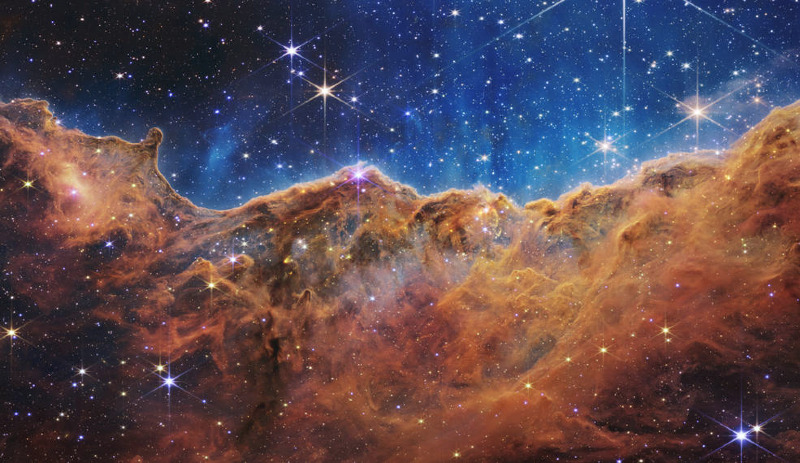
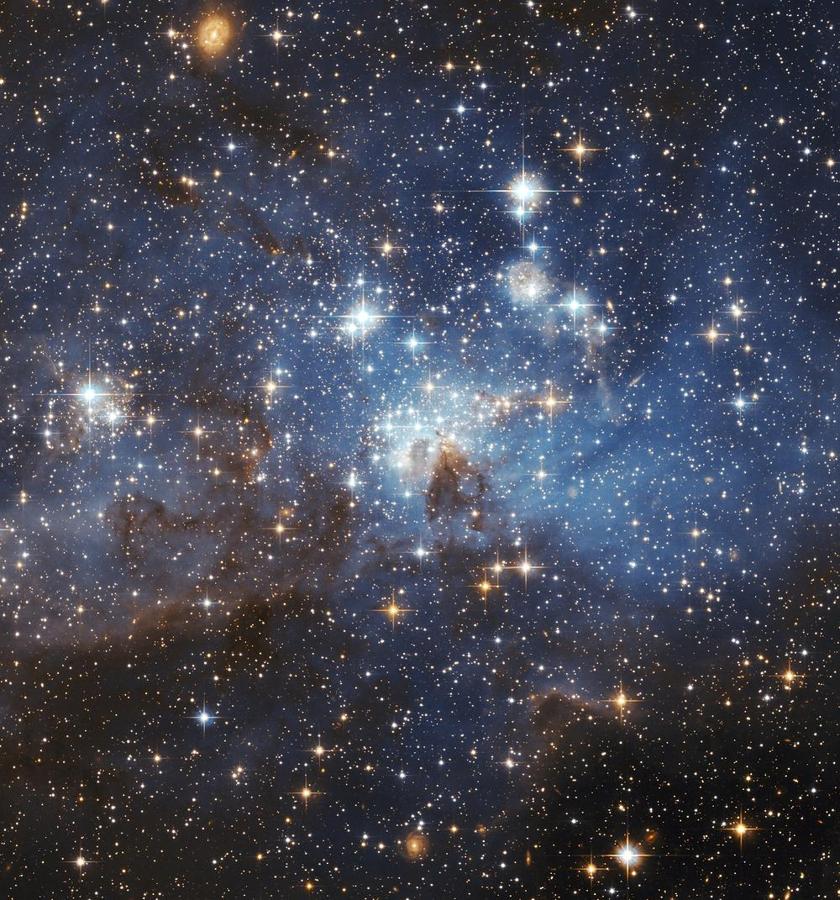
Over many years, scientists have discovered that stars have both a birth and a death. All stars are born in an interstellar nebula cloud. These stars are born when gas collapses inward, causing it to spin around the star as it forms, creating a large disk of stellar material. During its birth, a star is imbalanced because of the gravity pushing inward and the hot gases that are pushing outwards. Following this stage, the two forces balance, leading to the three cycles. When stars are born, they can be different depending on their mass. They could be lightweight, mediumweight, or heavyweight.
Lightweight stars are typically 0.8 to eight times the mass of the sun. These stars spend billions of years in a stable phase, making energy by converting hydrogen to helium until the hydrogen is exhausted to create a massive red supergiant. After millions of years, the star's outer layers expand, leaving just a core compressed by gravity. What’s left is called a white dwarf star.
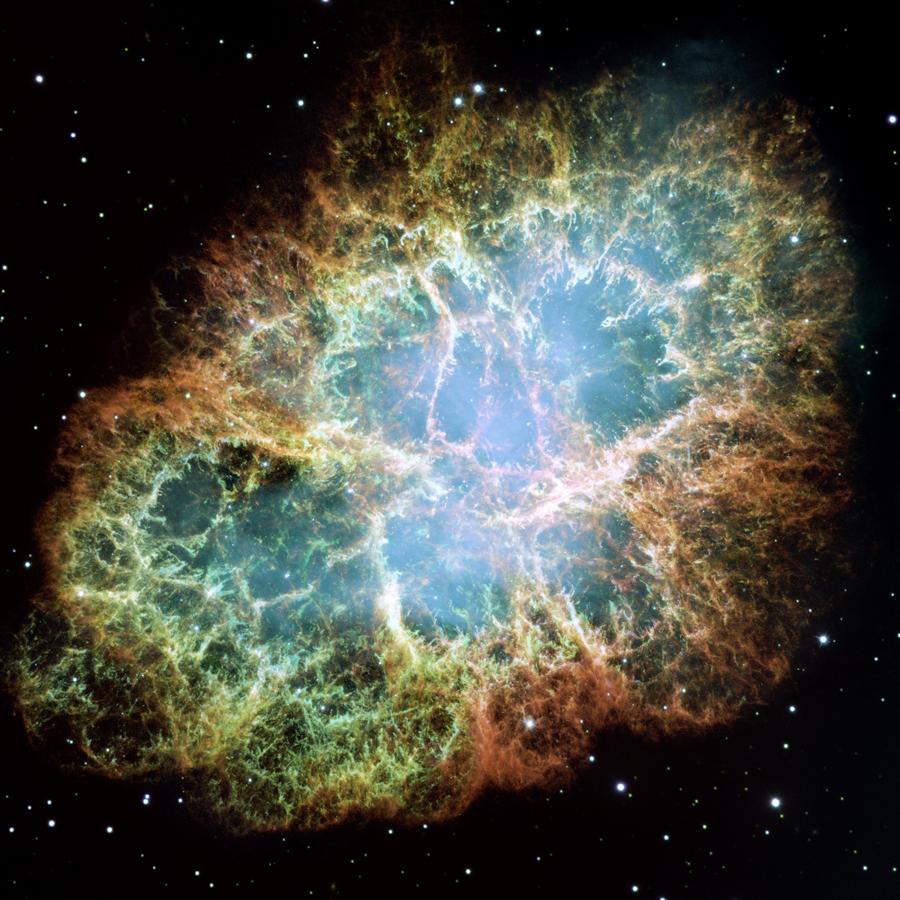
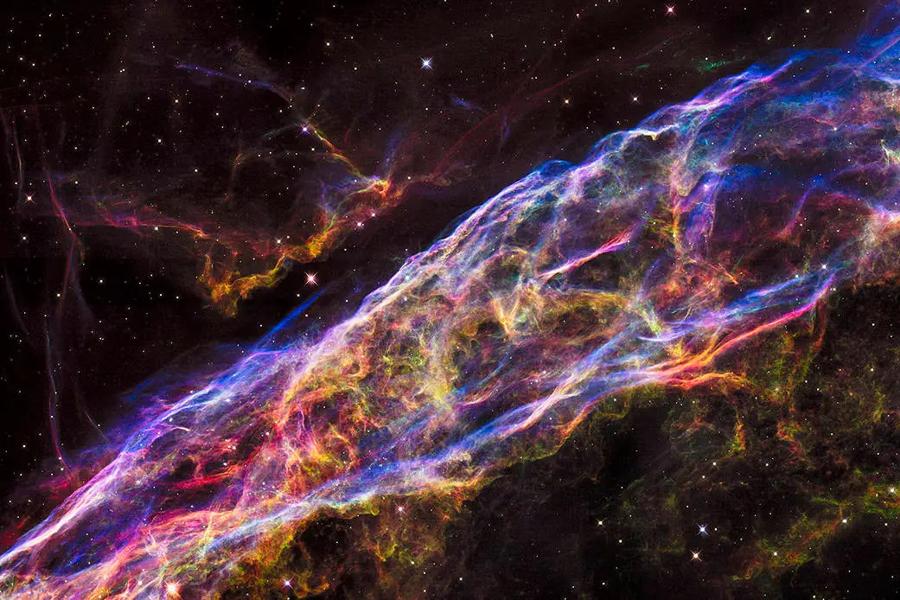
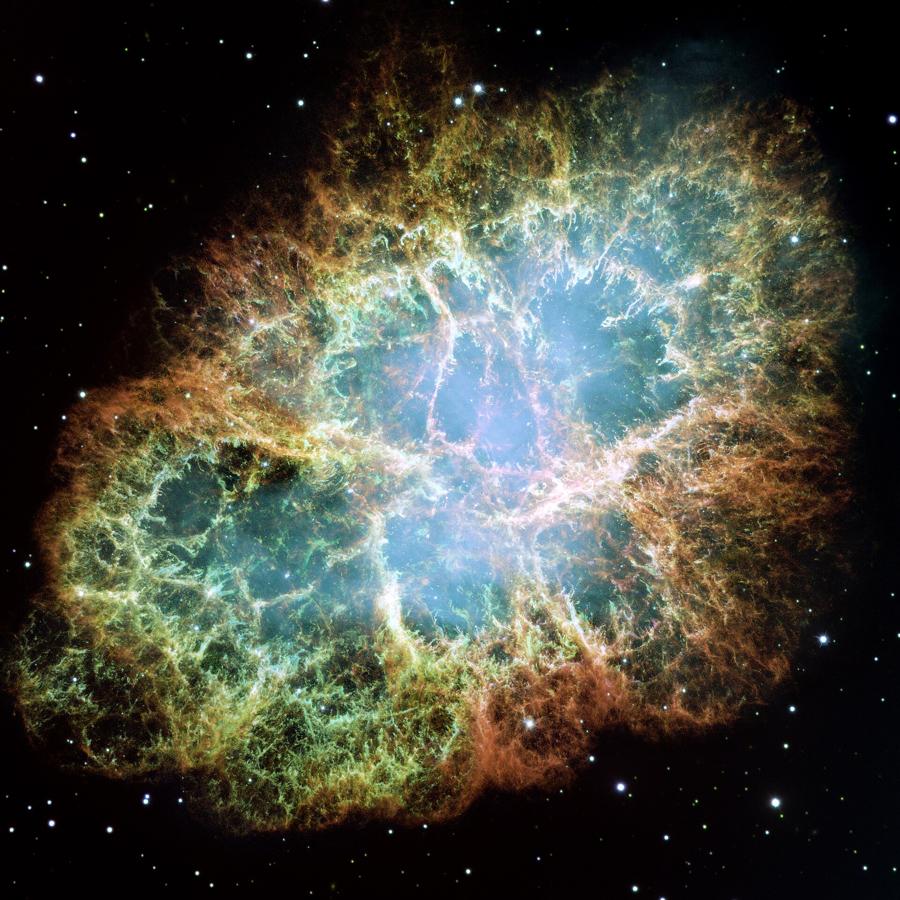
In contrast, a middle-weight star can be eight to 20 times the mass of the sun. These stars evolve faster, barely spending a few billion years in the stable phase, using all of their fuel. It then evolves into a supergiant with a nuclear supply that emits large amounts of light, then dies in a harsh supernova explosion, blowing away its outer layers and leaving a giant, city-sized core known as a neutron star. [Read More]



.jpg)

.jpg)

_flatten_crop.jpg)