From Rockabilly to Jimi Hendrix: The Evolution of Rock'n'Roll
by Jordan Bufford, age 13
By the late 20th century, rock music had influenced artists and has proven to be one of the best music genres of all time. Although rock has had its tough moments and slight downfalls, it still continues to be one of the most recognized genres throughout the world.
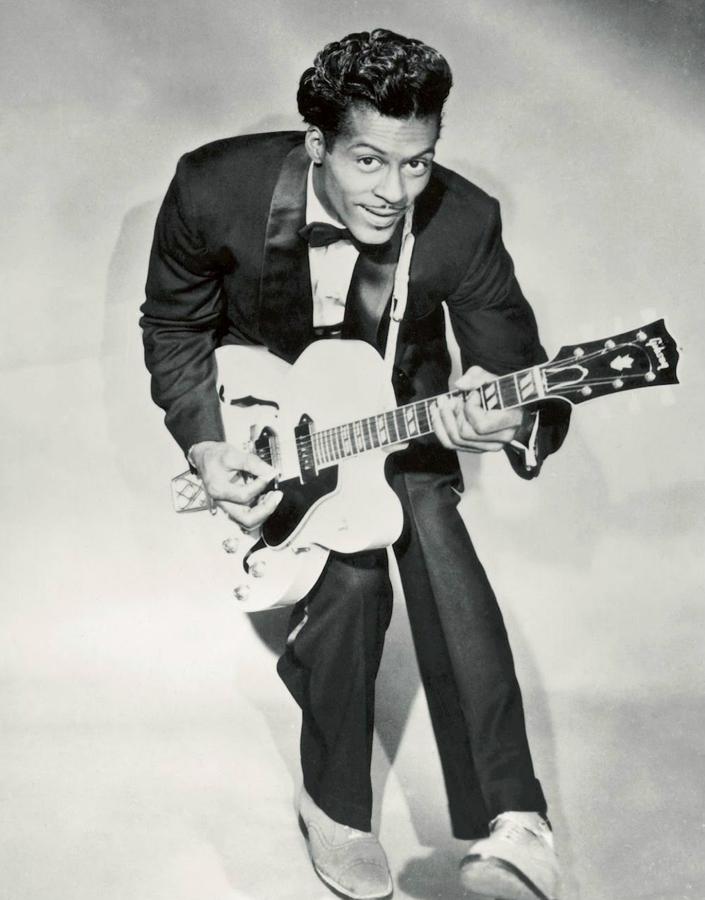
During the early days of modern music, in the 1950s, rock started out as a subgenre called rockabilly. Rockabilly was more R&B and soul than the rock that we hear today. While there were many Black rock artists at the time, rising white artists started to steal the shine. Artists like Elvis Presley, Jerry Lee Lewis, Bill Haley & His Comets, Buddy Holly, and the Everly Brothers had gained more popularity than Black artists like Little Richard, Ray Charles, Chuck Berry, and James Brown. The Black artists, some say, are the most important artists in rock history.
However, one white artist who was discovered at a recording studio that was mainly popular among Black artists, was Elvis Presley, with his very first song "That's All Right”. Elvis began to take most of the fame away from Black singers, but he helped them by giving credit for the Black artists’ talent. A Black singer, Little Richard, claimed that Presley opened the door for many Black artists by his frequent cover of songs written by people of color, making rock music more diverse.
In the 1960s, bands like the Beatles, the Rolling Stones, Pink Floyd, the Mamas & the Papas, the Doors and the Beach Boys made changes to rock music. Rock became more psychedelic and folk, borrowing themes from the Middle East and India. The 60s not only was a change for rock music, but it was also, sadly, a change for the health of iconic stars. Drug addiction and drug-related deaths became more common in bands and for artists like Jim Morrison, Janis Joplin, Brian Jones, Zeke Zether, Dickie Pride, and Jimi Hendrix.
One of the biggest festivals ever recorded was Woodstock in 1969, with more than 500,000 people. Woodstock was made for people to express themselves and escape into the sound of music which creates a sense of unity and peace. This was until things started to go wrong. The organizers of this festival did not make the right calculations when setting up, causing the venue to become overcrowded. This caused more than 5,000 medical incidents, but reportedly 800 of them were drug-related.
The 1970s is said to be the greatest influence on rock music due to the so-called fresh start for the music industry and the fashion associated with it. Music started to become more experimental due to new music equipment being released. This lets listeners and artists enjoy a little bit of both soft and hard rock whenever they’d like, sometimes even finding a way to combine the two. From the late 70s to early 80s, band T-shirts became popular, specifically for teens and young adults. Rock took another turn in the 1980s, which was the start of Modern Rock. Pop also started to take a rise making synthetic drums, VOX and auto-tuning, drone chords, and amps more popular.
The 90s was the ending of ideal hippie and calming rock, turning into grunge, punk, and alternative rock. This was also the rise of bands like Nirvana, Green Day, Radiohead, Sublime, Foo Fighters, Weezer, Blur, Blink-182, and Smashing Pumpkins. The term “punk” became a look of its own, encouraging people to wear things like ripped jeans, worn-out sneakers, flannel shirts, backward baseball caps, and long fringed hair. Overall, the 80s and 90s were the new beginning of music and fashion.
The 2000s was similar to the 90s but the music industry became more filled with pop and hip-hop, although rock was still popular. The popularity of rock music went down for the first time since the 1950s. This was not just because of the increase of pop and hip-hop, but it was because many rock stars were retiring and bands began disbanding.
Today, there are fewer pure rock bands and artists, but many people around the world still listen to rock music from the past to reflect on the legacy of rock stars that inspired artists, listeners, or bands across all genres.
[Sources: Coppell Student Media; Our Culture Magazine]











Loading Comments...