FAFSA Problems Cause Big Drop in Financial Aid Applications
by Camila Cruz, age 16
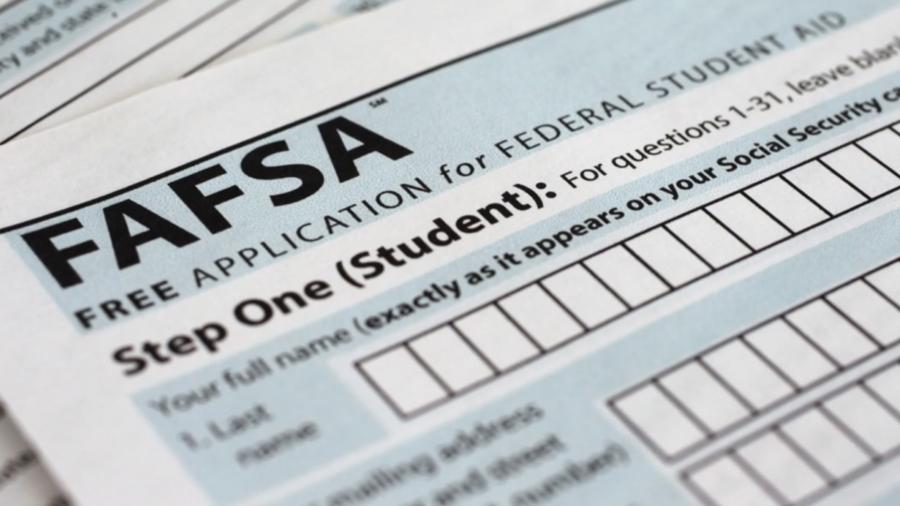
Delays and changes to the Free Application for Federal Student Aid (FAFSA) earlier this year led to far fewer students applying for money meant to help pay for higher education. The problem is exacerbated for students of color and students from low-income households.
According to a report from the nonprofit Wisconsin Policy Forum, only a third of seniors attending public high schools in Wisconsin had applied for financial aid by the end of April. This is 14% fewer than last year.
“We see that in Wisconsin and nationwide, the populations where (FAFSA) numbers have dropped the most are those who are coming from high poverty schools, are first-generation students or students of color … In Wisconsin, we are down about 5,800 submissions, just from where we were a year ago,” said Carole Trone, who leads the Fair Opportunity Project, a nonprofit that helps students fill out their FAFSAs.
The drop in FAFSA completion is a result of the federal government redesigning the form in an attempt to make it easier. However, that process pushed back the opening date by nearly three months and caused errors that led to millions of applications piling up. Because of this, students aren’t getting the money they applied for, which is an average of $15,000 per student. Other students had a difficult time finishing the application when they tried to turn it in.
This has a greater impact on students of color, in part because they already are historically economically disadvantaged. Due to FAFSA delaying information to applicants on the amount of money they will receive, students are hesitant and less likely to attend schools where they are unsure of how much financial aid compensation they will receive. Students are also having trouble updating information and adding schools they are interested in.
High schools and universities are working to make FAFSA easily accessible for students. For example, Milwaukee Public Schools has a high population of disadvantaged students. However, because they made it a requirement for students to fill out their FAFSA to graduate, the rate of completion is over 15% higher than last year. UW-Madison also extended its commitment deadlines.
Wisconsin's FAFSA completion rates are ranked low nationwide being 35th out of 50. Due to the complications this year, students should start their application process early next year and keep an eye out for deadlines.
[Sources: Wisconsin DPI; The Capital Times]











Loading Comments...