animal watch
arts & culture
book talk
columns
applied academics with annie
bridging the achievement gap
fresh face
editorial
education
energy/environment
financial literacy
geography
health
history
news
our favorite quotes
science
science and technology
space science
special features
sports
stories from the south side
where in dane county?
wisconsin museums
our student bios
animal watch
energy/environment
geography
health
history
news
poems
science and technology
science
space science
sports
join our email list
advertise
sponsor
join the red rack express club!
become a friend of the Free Press
Friends List
Thursday, May 23, 2013 home site map printer-friendly

animal watch

Have you ever tried to feed the ducks in one of Dane County’s many lakefront parks? While this can be a fun activity, it can also be cut short by swarms of aggressive gulls. These large, loud white birds can sweep down in large numbers and make both ducks and people very uncomfortable. [read more...]
You may have noticed how squirrels, along with other mammals, seem to disappear in the winter in areas that have cold climates. They don’t actually vanish into thin air; instead, they go into hibernation. Hibernation is a state in which a mammal sleeps for several weeks or months to preserve body heat. [read more...]
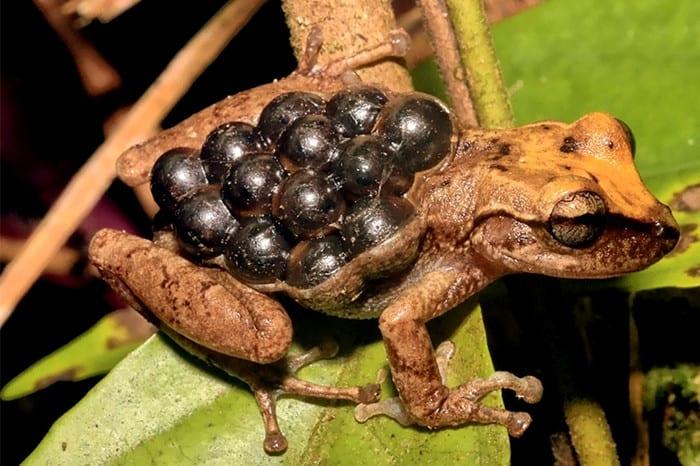
Many residents in Oahu, Hawaii are kept up at night by a thunderous roar of chirps. The chirps are mating calls from male coqui frogs. Some residents say the chirps can be as loud as a jet. [read more...]
Although the tiger population has been dwindling steadily over the years, only recently are officials realizing how dire the situation actually is. [read more...]
Recently, scientists from The US National Wildlife Health Center in Madison helped prove that a fungus is causing the deadly white-nose syndrome in bats. [read more...]
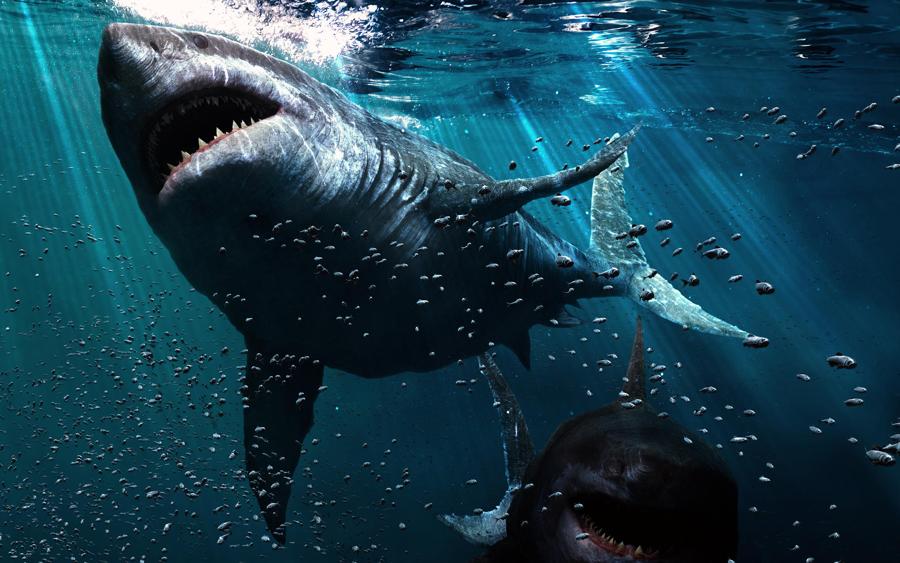
Scientists at Stanford University in California are sending out a floating robot to track great white sharks in the Pacific. [read more...]
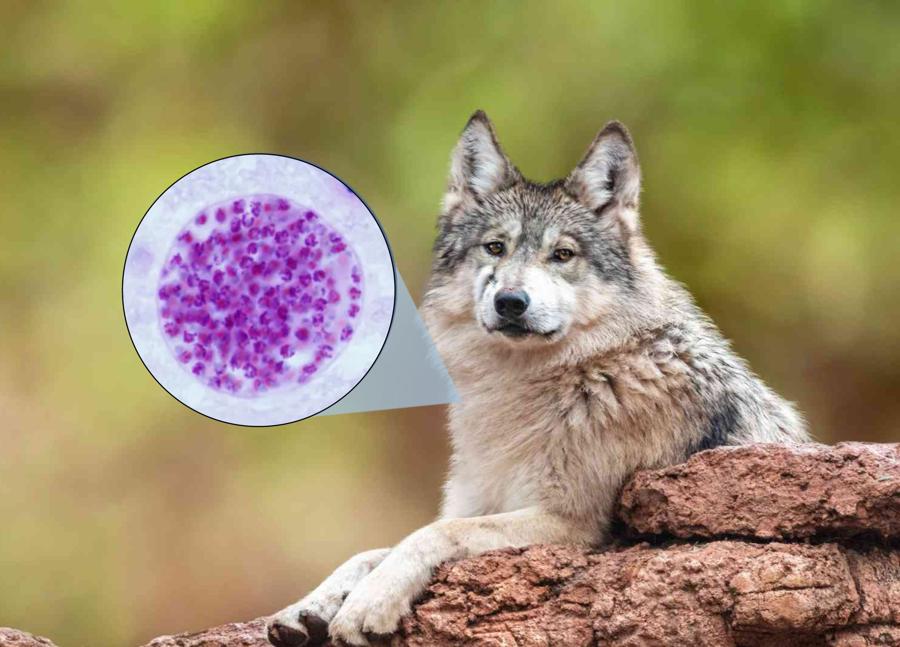
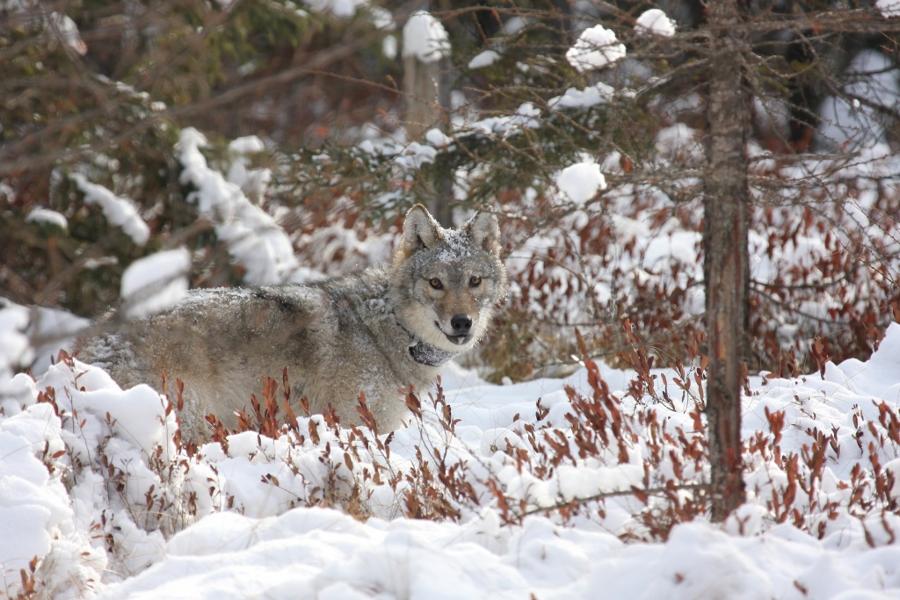
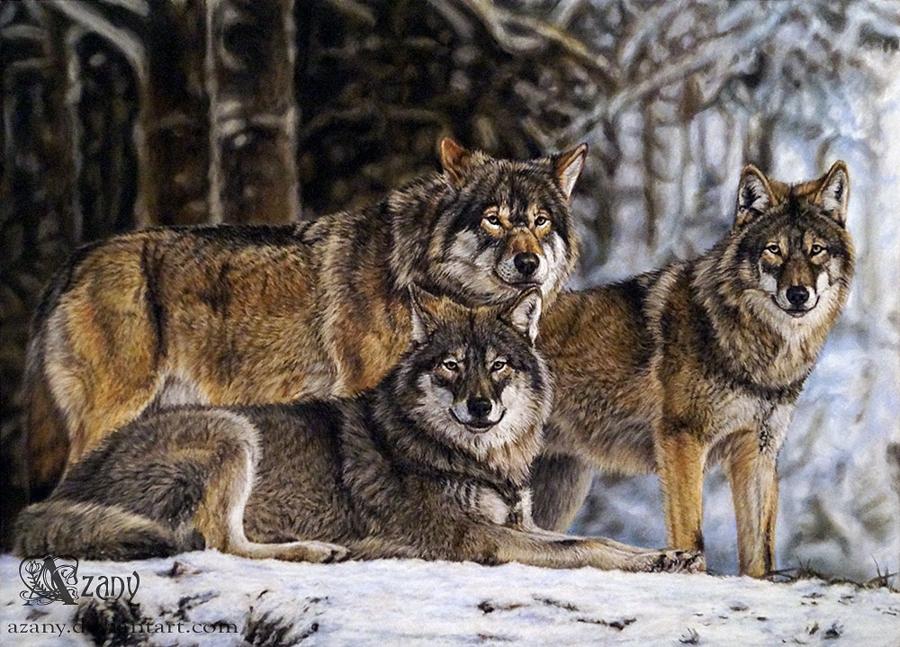
According to new rules set by Wisconsin’s Department of Natural Resources (DNR), hunters will be allowed to eliminate almost a quarter of Wisconsin’s wolves this winter. Debates go on about whether this hunt will actually make any difference in our state’s thriving wolf population. [read more...]
When thinking of vampire bats, the same question always seems to come to mind: are vampire bats really like vampires, or is that just a misnomer? Although they are mammals, vampire bats’ mannerisms, breeding, and feeding habits are slightly different from others in its class. [read more...]
In an effort to get two red pandas to mate, the Henry Vilas Zoo is hosting a new male red panda. [read more...]
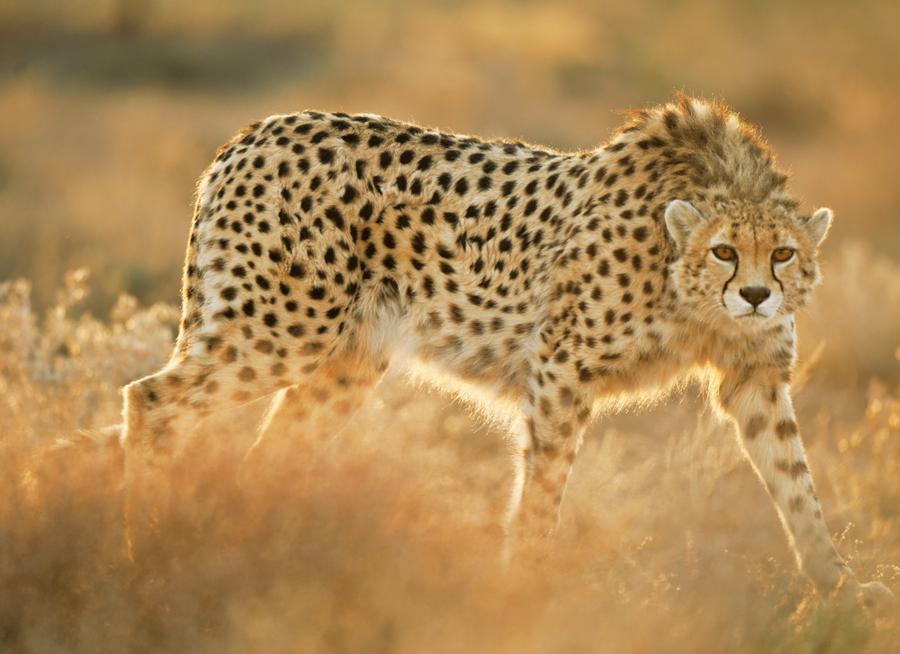
Some say it is difficult to tell a leopard from a cheetah. But, if you know what to look for, it’s simple. One way to tell these cats apart is to look them in the eye. [read more...]
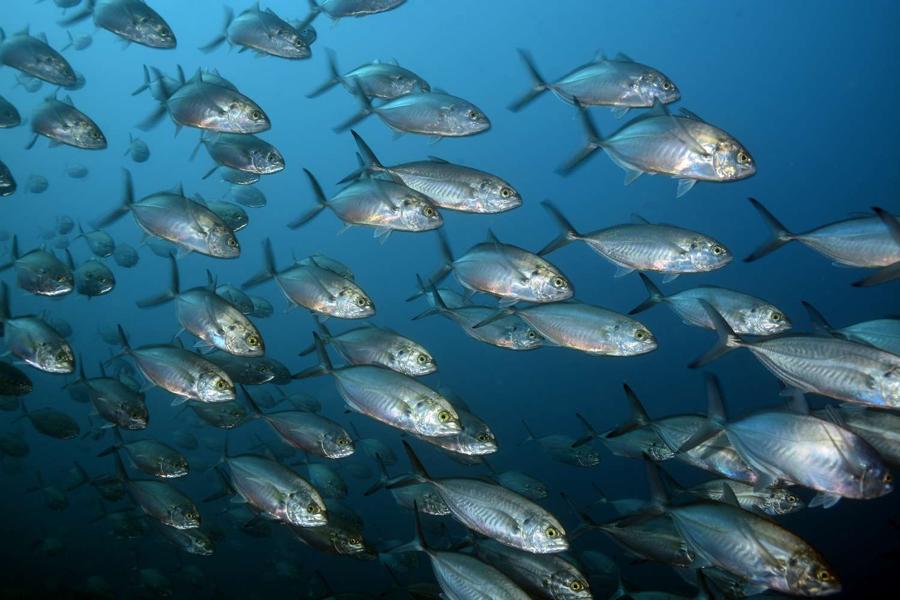
These days, most of the fish you find in Wisconsin’s lakes and elsewhere have jaws. But in ancient times, most fish were jawless and sucked up their prey through their mouths. It was not until 420 million years ago, during the Devonian period, that fish jaws evolved. [read more...]
A reptile, in search of prey, sits on a branch…waiting. It smells something. An insect flies in its direction. Snap! The insect is consumed with the dart of a tongue, in just 25 hundredths of a second. The Jackson’s Chameleon has made another stealthy attack. [read more...]
Gone missing for the better part of a century, the American marten has finally returned to Wisconsin. The critters are back in the state’s remote northern forests. [read more...]
The city of Green Bay has a downtown rodent infestation and city officials intend to deal with it in a unique way; they plan to introduce birds of prey. [read more...]
Most of us have heard of or seen giant pandas, but most likely don’t know about Red Pandas.These two beautiful species have much in common and both are found in Asia. [read more...]
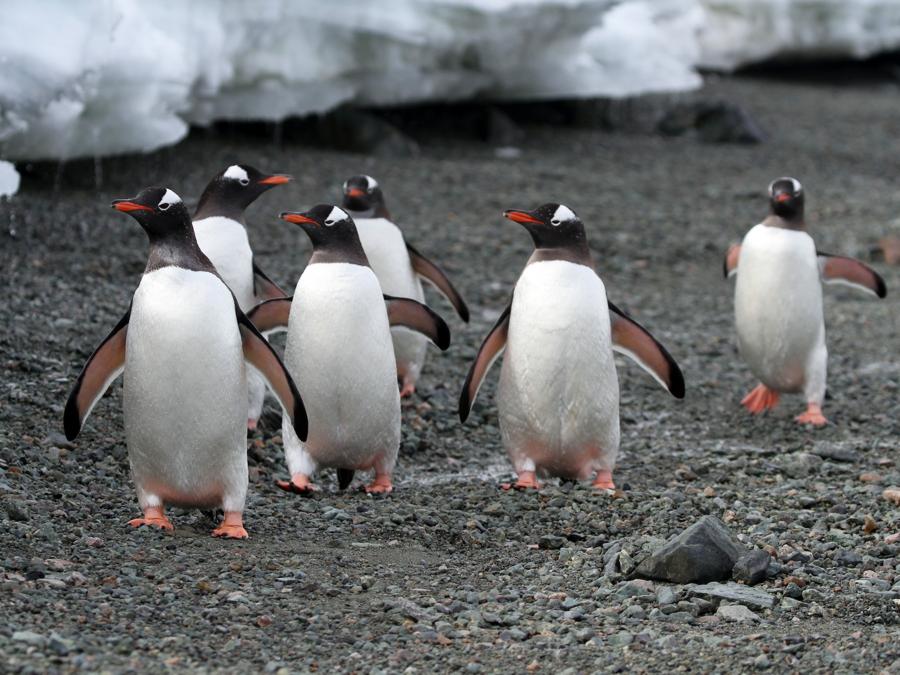
Some animals thrive in warm air and water temperatures, but Arctic and Antarctic animals have adapted to life in their cold climates. [read more...]
A Mustang is a free roaming horse that lives in North America. The Spaniards originally brought these animals to North America when they conquered Mexico. [read more...]
Like that of the humpback and blue whales, populations of California gray whales have dropped significantly due to the whaling industry. Researchers have reported, however, that until humans interfered, the whales overcame far greater obstacles. According to one study from the science journal PloS One, these whales withstood the effects of all ice ages that occurred over the last million years. If there had been a dramatic drop in population, there would have been inbreeding. When this happens over many generations, mutations occur in the offspring, which would have shown up in their DNA. But scientists have not found that gray whales have inbred, nor was there any dramatic drop in gray whale population. [read more...]
Sea turtles first roamed planet Earth about 250 million years ago. Scientists know this because fossils records indicate sea turtles are from the Jurassic period. Scientists learn more every year about these fascinating ancient creatures. For instance, the skull of a sea turtle found in South Dakota in 1996 is 70 million years old. From this discovery scientists learned that, at one time, sea turtles were twice as big as they are today. [read more...]
For years biologists believed that the only remaining colonies of short-tailed albatross were found on two remote Japanese islands. Recently, they discovered that they were wrong. The short-tailed albatross with its bright pink bill, white body, and golden-colored crown and nape is a rare and threatened bird. [read more...]
Every year, for the past decade, Wisconsin’s whooping cranes migrate south to Florida for the winter. The birds are led by an ultra-light aircraft. This project is known as Operation Migration. [read more...]
Bonobos are only found in the rainforests of central Africa, exclusively in the Democratic Republic of the Congo (DRC). This rare species is part of the great ape family, but they lack the aggression of many other ape species. Bonobos live in female-dominated societies and are peaceful and easy-going. During rare instances of conflict, individual bonobos often copulate to resolve these conflicts. [read more...]
There are only about 300 Indochinese tigers in the world. About 100 of them live in Thailand, Lao PDR, and perhaps 30 living in Vietnam. The population in Myanmar is currently unknown. Although they originate in China, the last known Indochinese tiger spotted in China was killed and eaten in 2007 by a poacher. [read more...]
With the increasing poverty rates in Illinois and the rapid spread of Asian carp in U.S. freshwaters, encouraging Asian carp consumption in America may be a solution that addresses both of these problems. Unfortunately, most Americans wouldn’t dream of eating Asian carp because of its unsightly appearance. [read more...]
Asian carp first were introduced in American 1970’s as a cleaning fish for commercial fish ponds in the South. They escaped into the Mississippi River during a flood and have since spawned rapidly and spread quickly. Since then, Asian carp have been a controversial subject in America. [read more...]
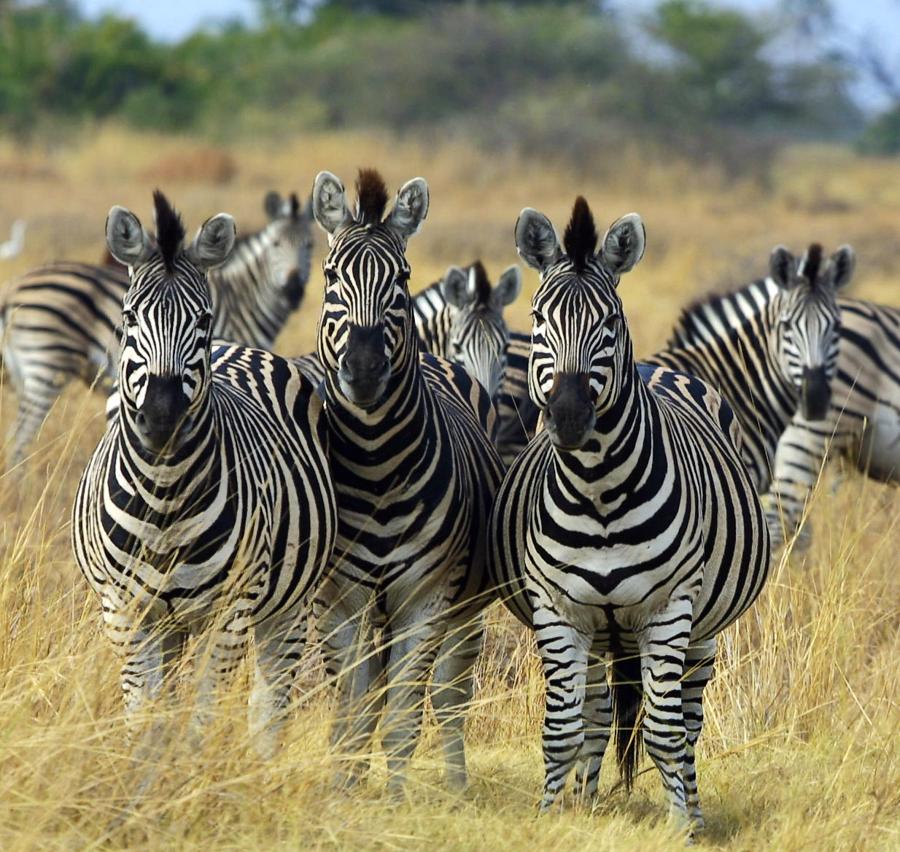
Standing near the water’s edge, a zebra gracefully takes a drink of water from the pool. However, the zebra has no idea that a predator is lurking near and is getting closer. Snap! The zebra, taken by surprise, is dragged under water in mere seconds. The Nile crocodile has made another attack. [read more...]
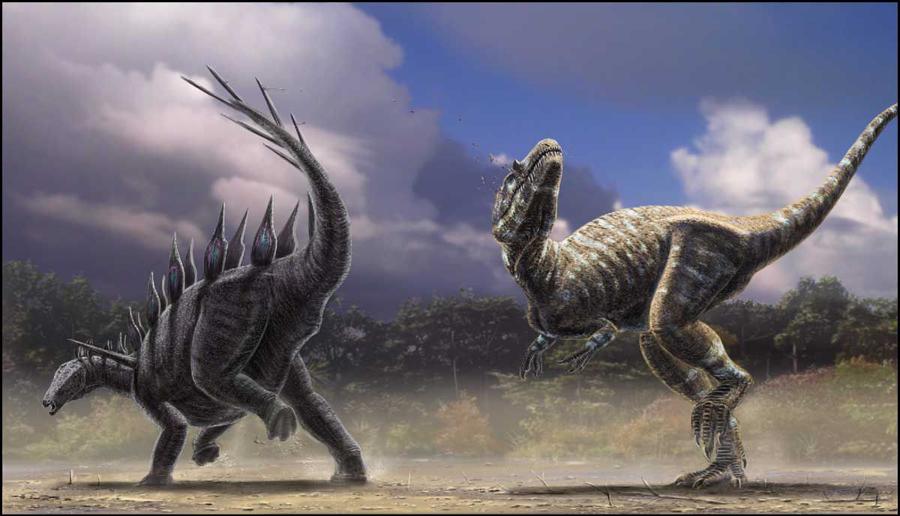
Although dinosaurs no longer roam the earth, the tuatara—a species that existed before the first dinosaurs—still populates New Zealand. This island nation is home to many bizarre creatures, like the kiwi bird and the kakapo. But the tuatara trumps them all in the world of exotic. [read more...]
Researchers from the University of Haifa-Oranim have found a new spider lurking in the Sands of Samar, a large sand dune in Israel. With a leg span of almost six inches, this new species, the Cerbalus aravaensis, is the largest known arachnid of its kind. [read more...]
In 2005, aerial surveys conducted by the Mineral Management Service revealed four dead polar bears in open Arctic waters. Alongside them were ten swimming bears, struggling to reach land. [read more...]
Malayan tapirs make their homes in the rainforests of Southeast Asia. They are the largest of the four tapir species. [read more...]
There are many types of insects that can go for periods of time without breathing. For example, a cockroach can hold its breath for several minutes, and a moth pupa can go several hours. [read more...]
Scientists have known for sometime that female macaque monkeys form strong social bonds among themselves, typically with other female relatives. Recent studies published in the journal, Current Biology, show that males do the same. [read more...]
Did you know that starfish are not actually fish? In fact, because of this, scientists are changing this well-known name to sea stars because these animals are more closely related to sand dollars, sea urchins, and other species of echinoderms. [read more...]
Recently, a red panda named Sha-Lei arrived at Henry Vilas Zoo from Edmonton, Alberta. Another red panda named Chang-Tan has been in the Zoo since 2007. Zoo managers hope that Sha-Lei and Chang-Tan will mate. [read more...]
Scientists are still debating both the causes and consequences of global warming, but it is clear that climate change is threatening thousands of species across the globe, especially amphibians. [read more...]
Considered by many to be birds of peace, cranes are among the rarest birds in the world. Fifteen species of cranes continue to survive in the world, two of which inhabit the Korean Peninsula-along the Demilitarized Zone that separates North from South. [read more...]
For the past five decades, scientists have been baffled by a deadly plague that continues to infect colonies of prairie dogs in the Rocky Mountains and Great Plains. This plague aggressively attacks colony after colony of prairie dogs; but recently discoveries showed that grasshopper mice are the likely culprit. [read more...]
Industrialization and development in any given area will inevitably lead to conflict between humans and the animals native to the area. Some countries are attempting to make accommodations for large animals; Costa Rica now has “jaguar corridors” to help animals and humans live side by side. [read more...]
Scientists believe they have discovered as many as ten new species of amphibians in the mountains of Colombia. These previously undiscovered species include three poisonous frogs, three types of transparent-skinned glass frogs, and one salamander species. [read more...]
At a zoo in Paris, a captive clouded leopard recently gave birth to two female cubs. The cubs were named Pati and Jaya. Zookeepers, according to custom, waited to announce their birth until the mother and cubs were in a healthy condition. [read more...]
Bengal tigers, also known as Indian tigers, are the most well-known tigers in the world. With 1,850 left in the wild, the Bengal tiger has the largest population of all remaining tiger subspecies. However, rapid human expansion and urbanization is forcing this tiger out of its native habitat. [read more...]
We all know that most people are either left or right handed. A less known fact is that animals, including those without hands, also often prefer using one side of the body over the other. [read more...]
Recently, I wrote an article for the Free Press about Bengal tigers. These large and beautiful cats live in southern Asia, mostly in India. Threatened by poachers and habitat loss, they are becoming extremely rare. Bengal tigers are among the largest of the big cats. [read more...]
Eight arms, large eyes, and a massive head make the common octopus’s appearance unique. But behind this strange appearance lies an amazing variety of skills. [read more...]
How animals communicate has long been of interest to many scientists. Animals are known to use acoustic and visual signals, as well as physical interactions, as methods of communication. However, scientists have learned that some animals use a different method of communication: vibration. Researchers recently discovered that male red-eyed tree frogs communicate using vibration. [read more...]
A previously unknown lizard species was recently discovered on Luzon, an island in the Philippines. This lizard species is called Varanus bitatawa. It is a gray, six-foot-long monitor lizard with colorful dots and other distinctive markings on its scales. This species is considered unique because their diet is made up of almost entirely fruit. Most monitor lizards are meat eaters. [read more...]
Looking something like an unusual cross between a duck and a beaver, the platypus has a bizarre appearance. [read more...]
As you may know, wild pandas all around the world are endangered. In the Foping Nature Reserve in China’s Qinling Mountains, scientists are finding out that pandas may be the cause of their own extinction. [read more...]
The trumpeter swan and the osprey have been removed from Wisconsin’s endangered species list. These birds, once on the brink of extinction, are making a very strong comeback. [read more...]
The Arctic tern is a bird with a reputation for being well traveled. It has the ability to migrate to the far Southern Ocean from its Arctic breeding grounds. Researchers estimate that the round-trip distance could be as much as 25,000 miles. [read more...]
After a recent meeting in Doha, Qatar of the Convention on International Trade in Endangered Species (CITES) and its 175 member nations, the convention announced their decision to continue protection for African elephants. [read more...]
Woodpeckers do a lot of work for what seems like a small amount of food. Scientists studying head traumas are trying to find out how they avoid brain damage after repeatedly banging their heads against trees to get food. [read more...]