






animal watch
arts & culture
book talk
columns
editorial
education
energy/environment
financial literacy
geography
health
history
news
our favorite quotes
science
science and technology
space science
special features
sports
where in dane county?
wisconsin museums
join our email list
advertise
sponsor
join the red rack express club!
become a friend of the Free Press
Friends List
Wednesday, February 22, 2012 home site map printer-friendly
sponsor

space science

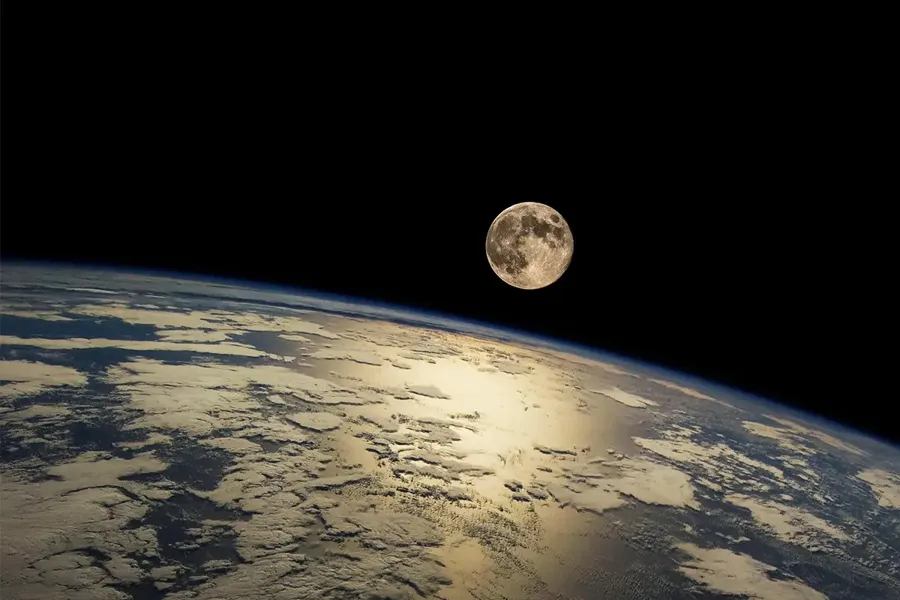
About 4.5 billion years ago, a Mars-sized asteroid collided into the newly molten Earth. The powerful impact threw scattered debris into space. Over millions of years this rubble formed a roughly-shaped sphere that started to orbit the Earth. Today we call this sphere Earth’s moon. [read more...]
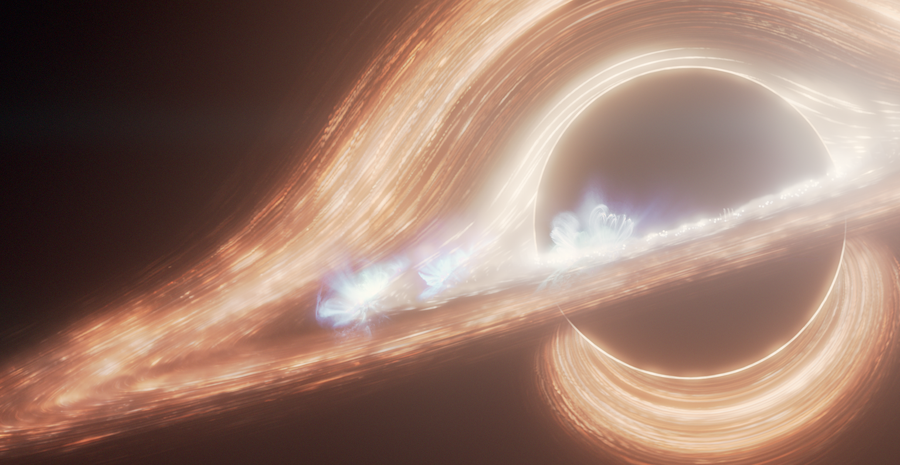
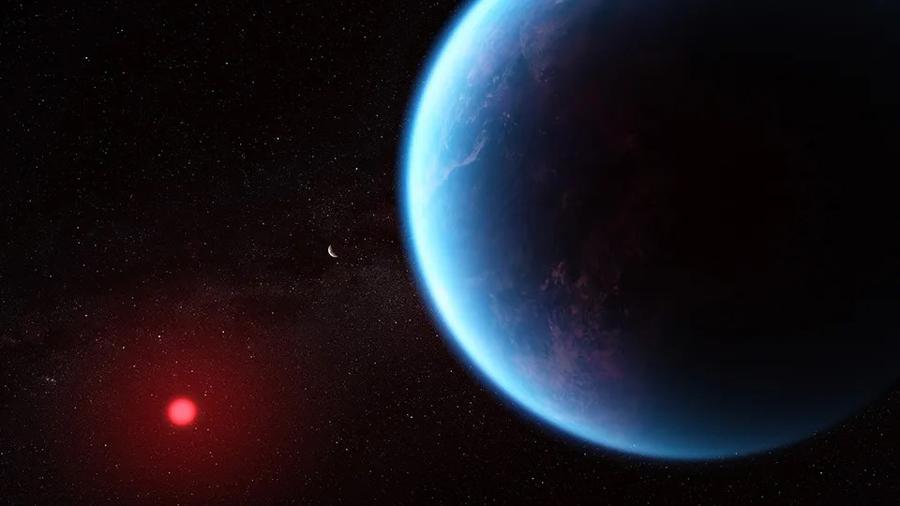
Astronomers have found and labeled “Goldilocks” planet. [read more...]
Scientists searching for extraterrestrial life once faced amused skepticism. But according to Seth Shostak, senior astronomer at the Search for Extra-Terrestrial Life (SETI) Institute of California, the general concensus is shifting. [read more...]
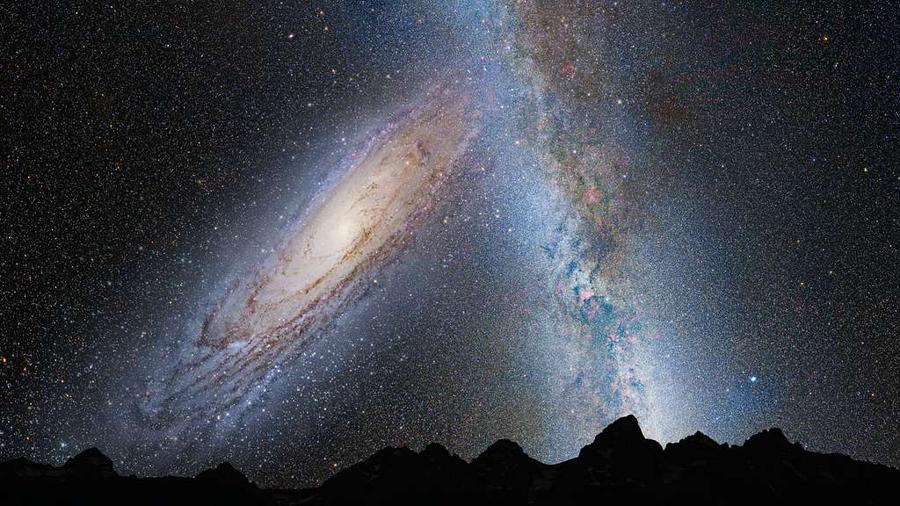
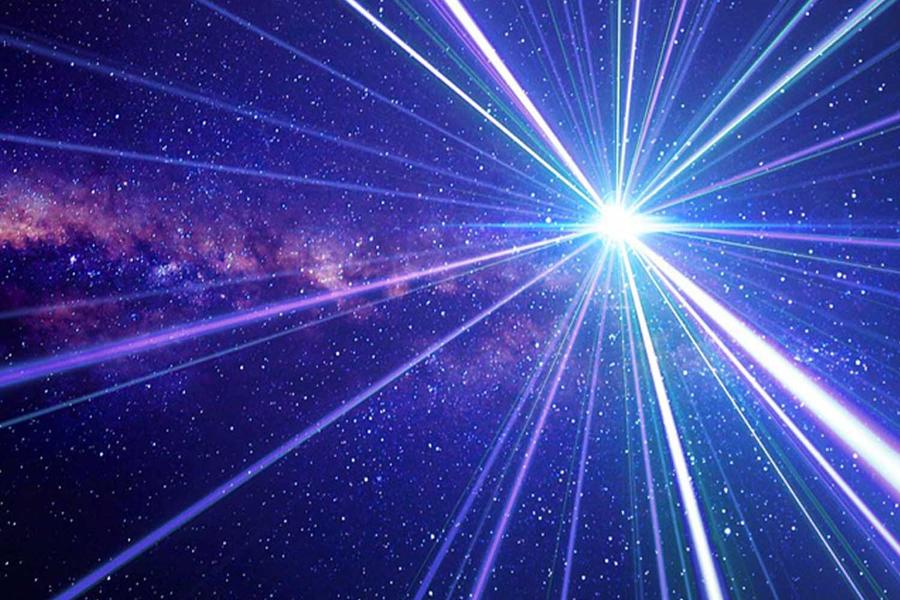
Astronomers at the Harvard-Smithsonian center for astrophysics recently discovered a blue star that is running quickly through the galaxy came from the center of the Milky Way. Scientists now think this strange star began its journey about a million years ago. [read more...]
Of the 118 known elements, six are essential for life: carbon, hydrogen, nitrogen, oxygen, phosphorus and sulfur— or so scientists thought. [read more...]
Molten lava, volcanic rock and just volcanoes themselves are considered among Earth’s natural wonders. But a new discovery half way across our solar indicated a different kind of volcano exists on a giant moon called Titan. [read more...]
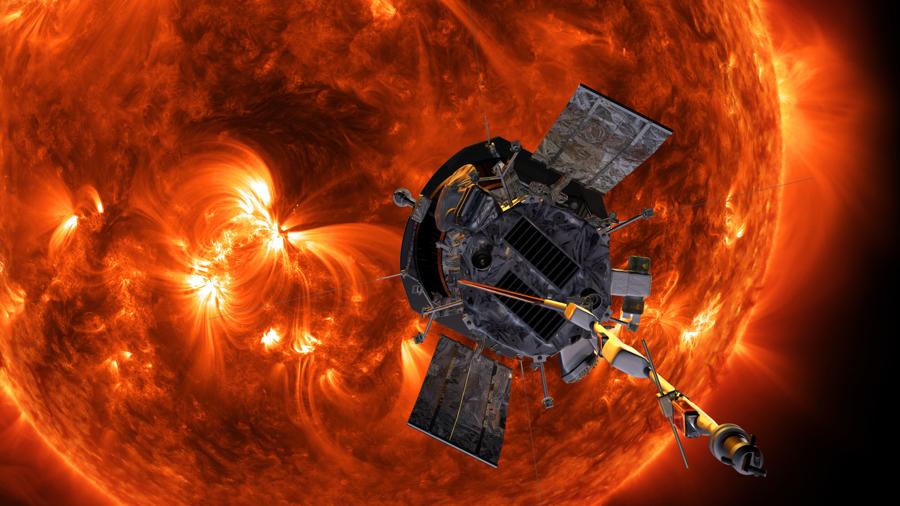
Fire is caused when oxygen reacts with another substance, like carbon. The result of that chemical reaction is known as combustion. But there is no air in space, so how does the sun burn? Well, the sun doesn’t really “burn” like a campfire, it actually boils. Its atoms crash into each other, which creates a unique process called nuclear fusion. [read more...]
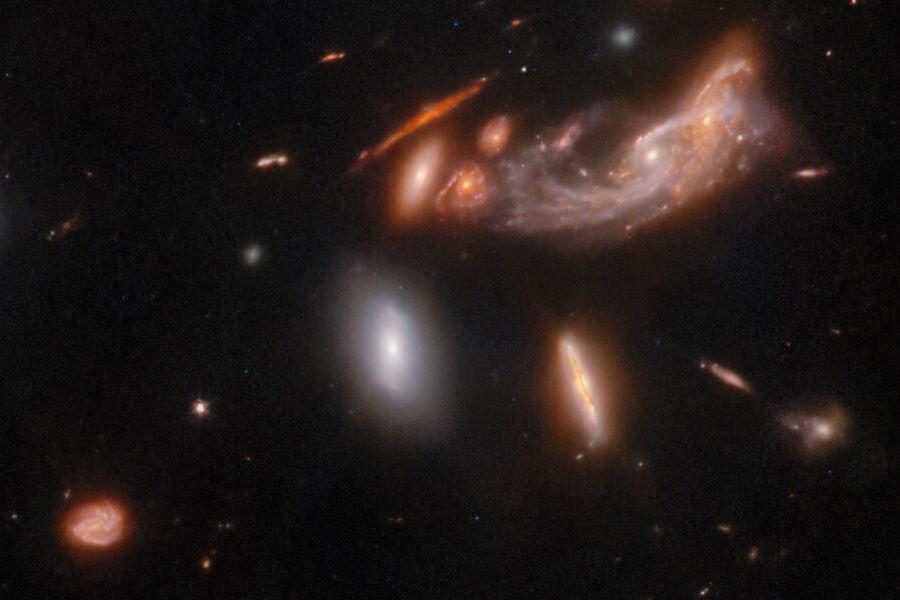
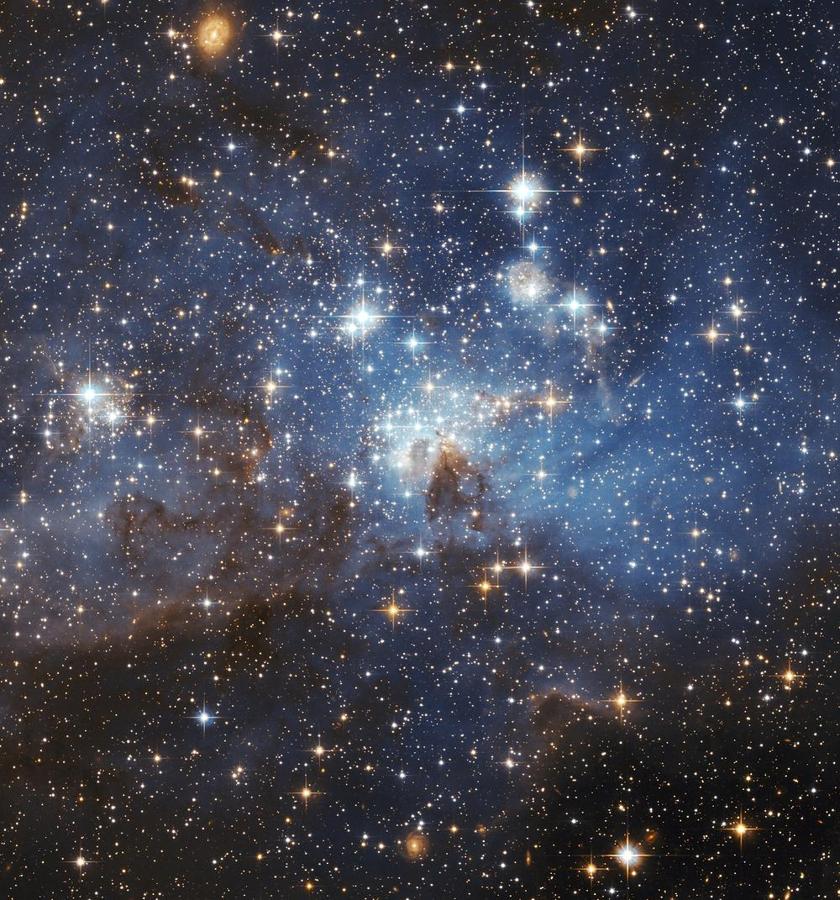
Although star formations have been in existence much longer than human beings, little is understood about them. Astronomer Deidre Hunter has been studying small galaxies known as dwarf irregular galaxies for the past 17 years. She and her team at Lowell Observatory hope to shed some light on these mysterious stars. [read more...]
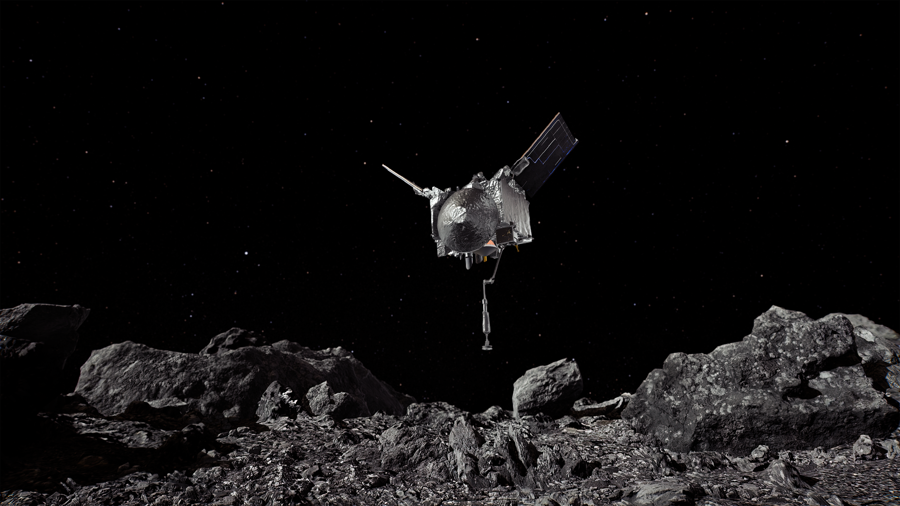
The Hayabusa explorer is a Japanese space probe that was launched in 2003. Its goal was to bring back asteroid samples that might provide clues to the evolution of our Solar System. [read more...]
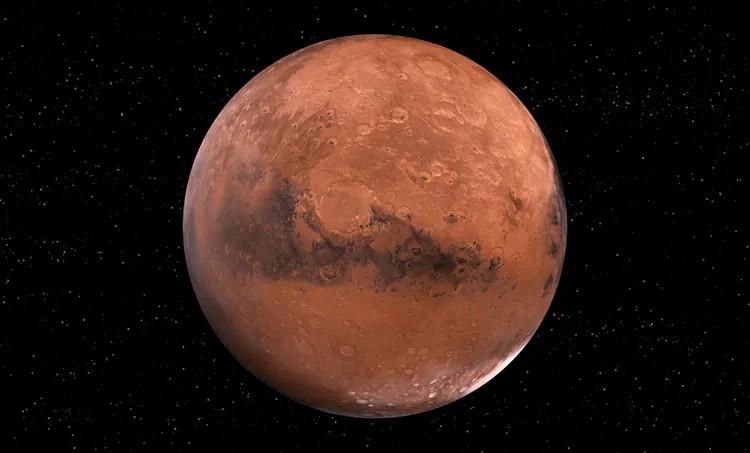
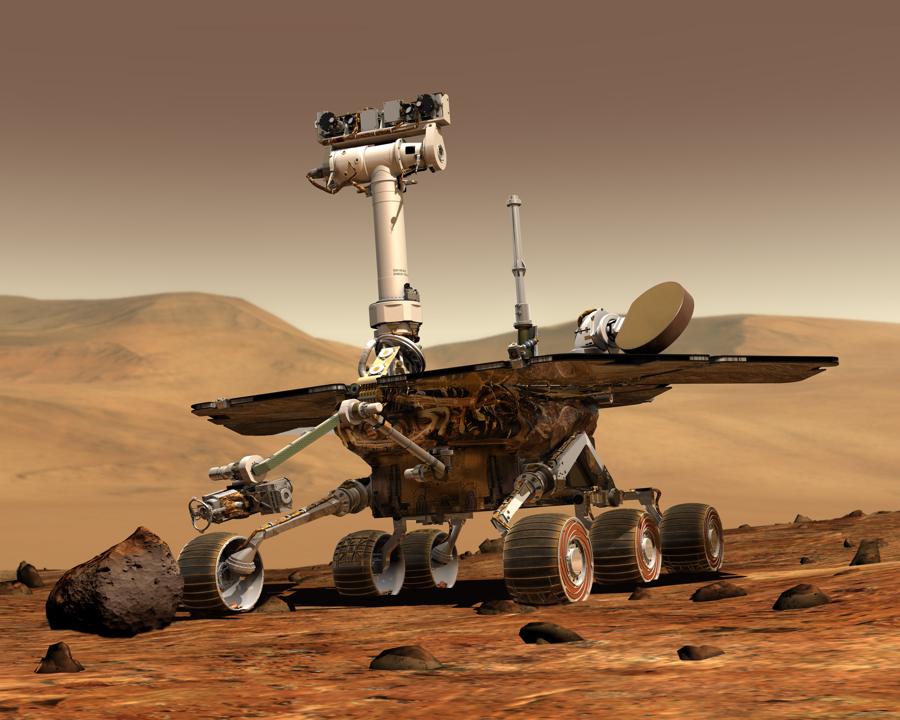
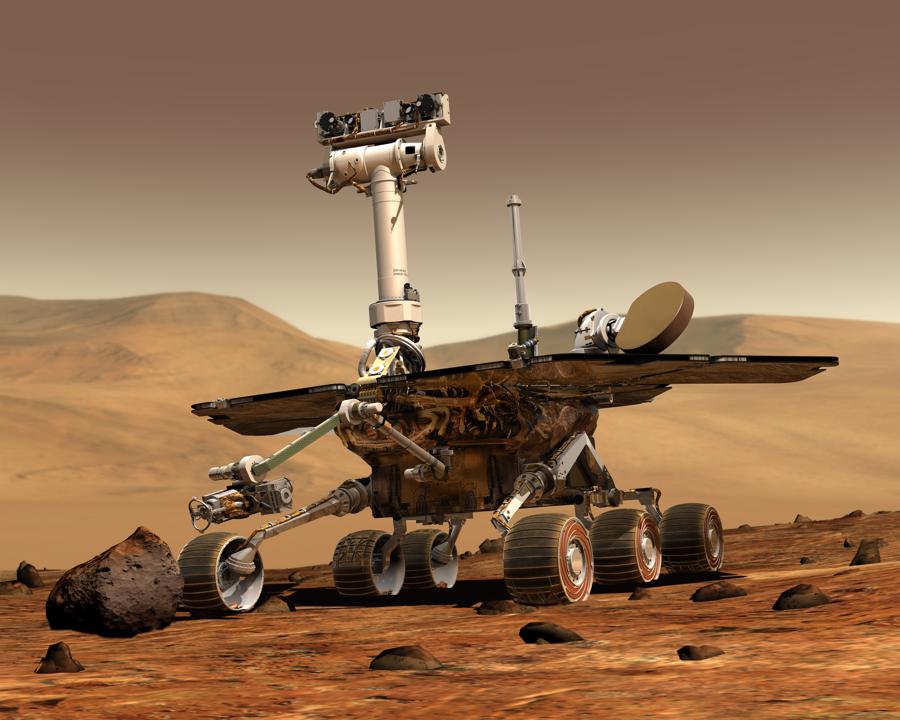
Since the first Viking missions to Mars in 1976, the mysterious Red Planet has been explored many times. Initially, the possibility of water on Mars intrigued scientists. Now that researchers have confirmed the existence of water, scientists are pushing to find out if life too, exists there. This curiosity has compelled NASA to plan an elaborate mission to investigate the rock and soil of Mars. [read more...]
There have been many news reports lately about the Obama administration’s decision to end NASA’s role in manned space flights. Instead, private companies will be encouraged to take leadership in the area. [read more...]
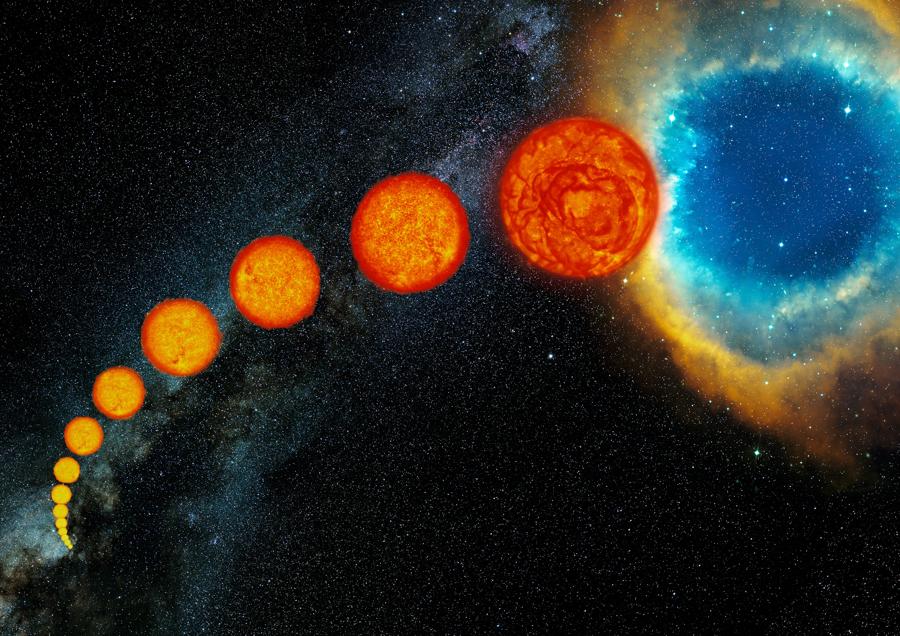
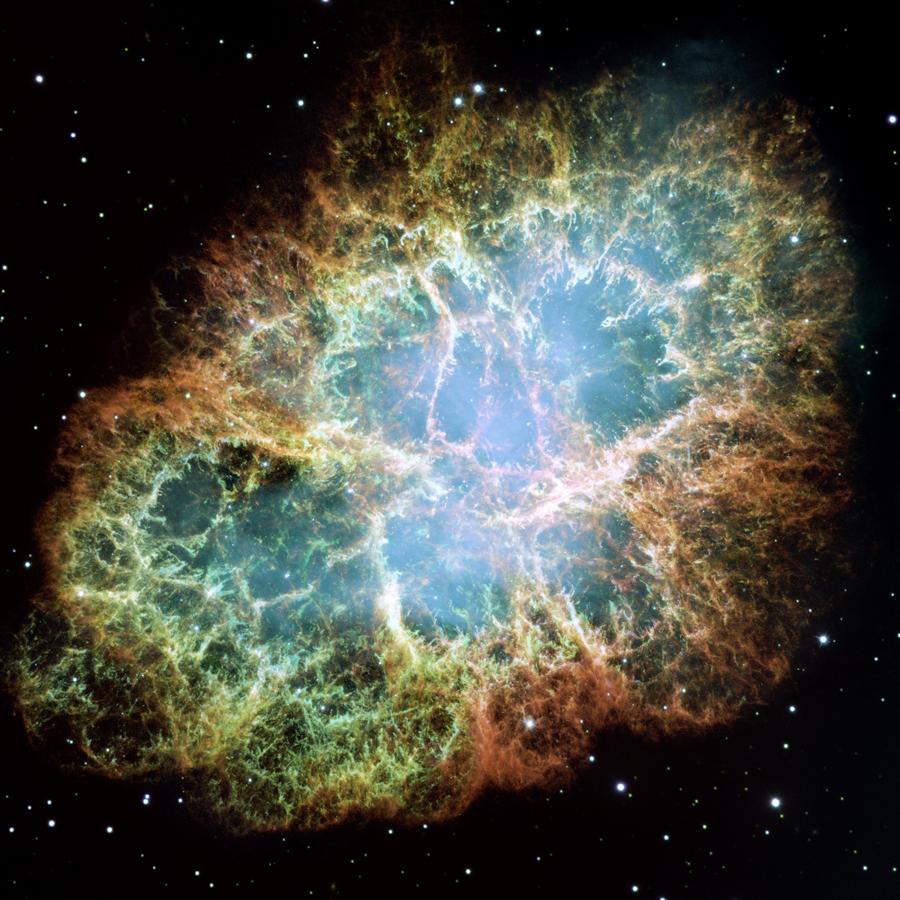
Stars are everywhere in the universe. They can be seen all over the night sky. But how do they start? How do they end? The mysteries of the skies have fascinated astronomers for generations. [read more...]
In late April, President Obama outlined a new direction for NASA that would significantly alter our country’s space exploration program. [read more...]
William Borucki of the NASA Ames Research Center in Moffett Field, California recently made a fascinating discovery. While using the powerful Kepler space telescope, Borucki and his team discovered five new and unusual planets orbiting nearby stars. [read more...]
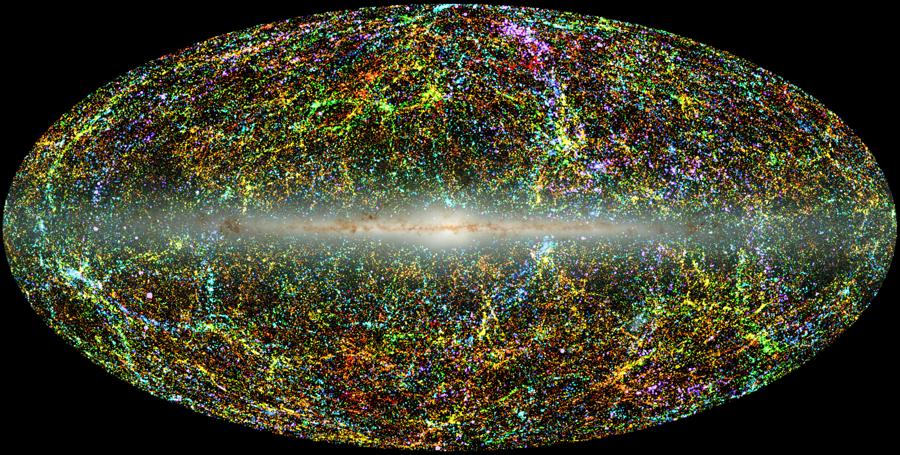
We all have a sense of wonder. It’s part of what makes us humans. For many of us this sense of wonder leads to questions about how, when, and why the universe began. One explanation to this mystery is the Big Bang theory. [read more...]
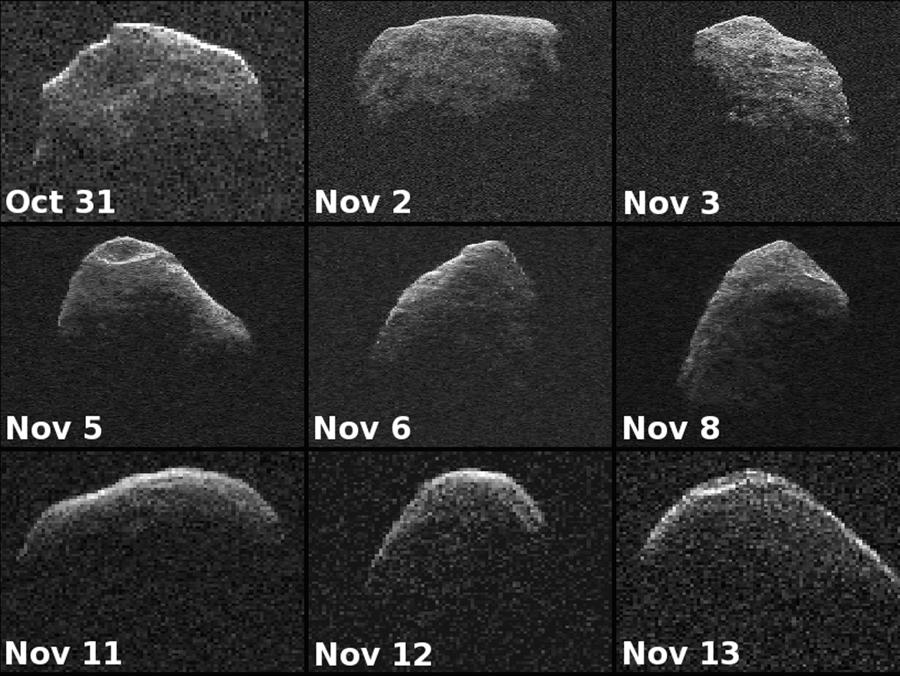
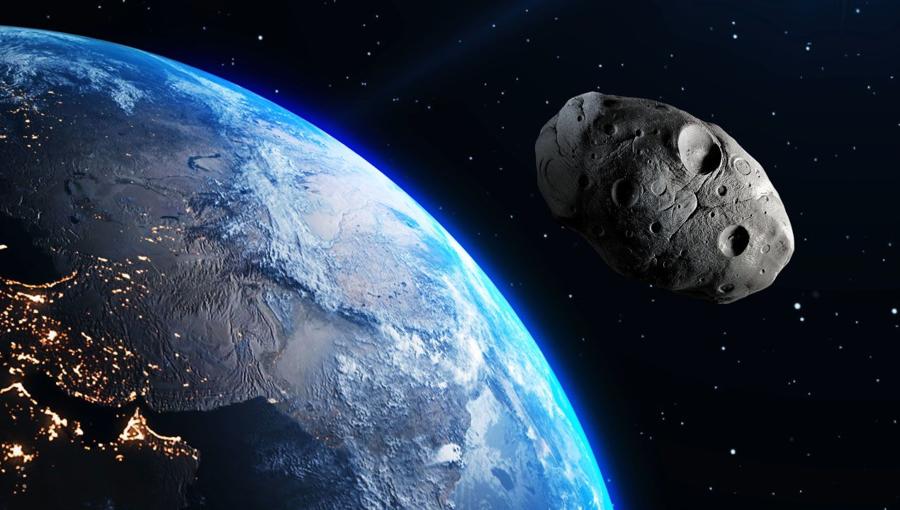
An asteroid is a rocky, metallic object in the sky that orbits the sun. An asteroid belt is filled with many kinds of asteroids whose shapes have been formed by years of collisions. [read more...]
You have undoubtedly heard of hurricanes on Earth, but have you ever heard of tornadoes on Mars? It may sound far-fetched, but tornadoes and hurricanes happen in many places all over the universe. [read more...]