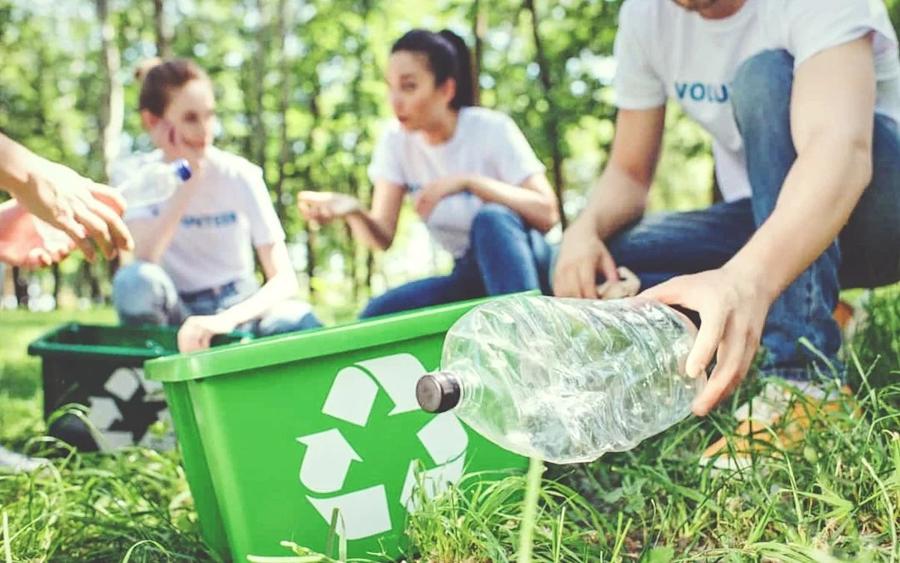







As part of an effort to become more “green”, St. Mary’s Hospital recently implemented a ban on plastic water bottles. To encourage more eco-friendly operations the hospital will no longer sell or distribute water in plastic containers.
[read more...]
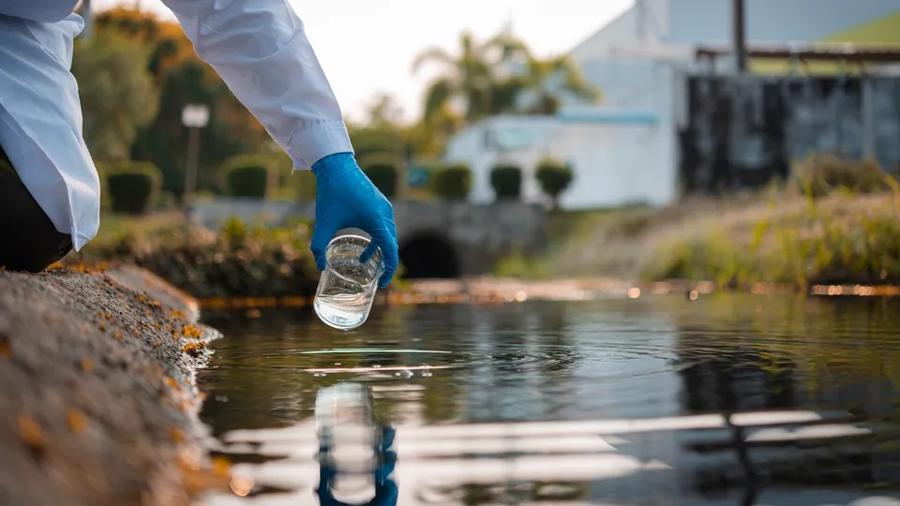
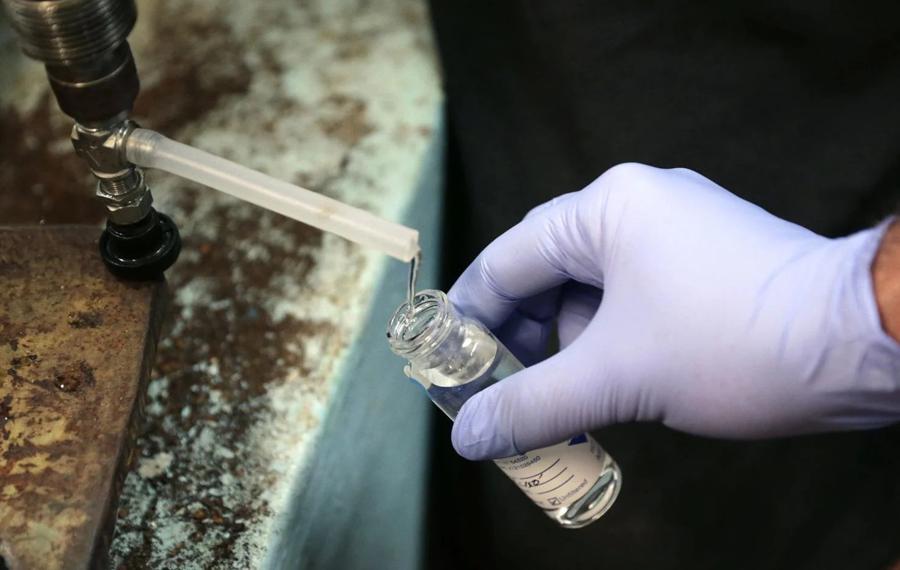
Approximately one-third of all Americans consume bottled water every day without thinking about where this water comes from, how well it is regulated, or how safe it is to drink.
[read more...]
Thousands of years ago, the Great Wall of China was built to keep out Mongols and other invaders. Now, a similar wall might be built across Africa to keep out a different enemy ⎯ sand.
[read more...]
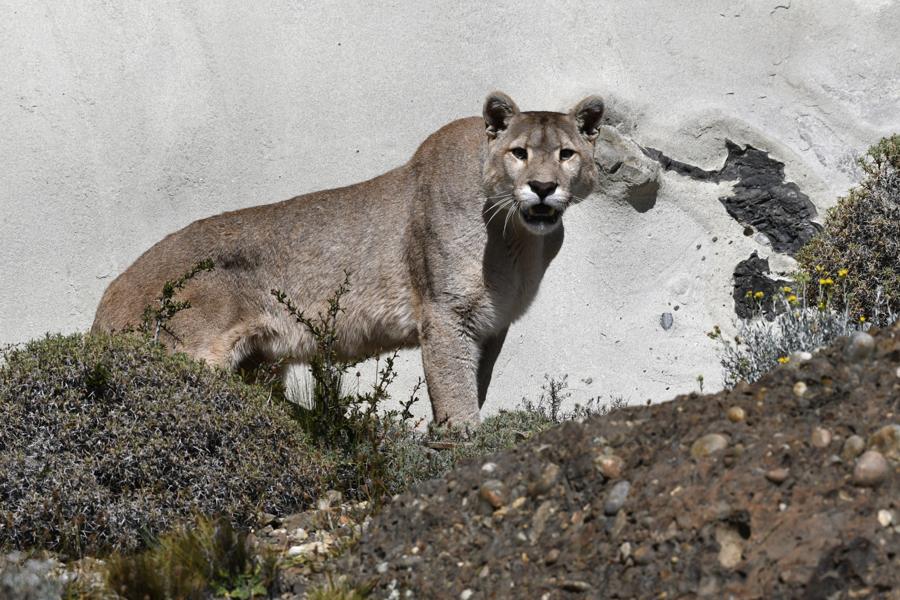
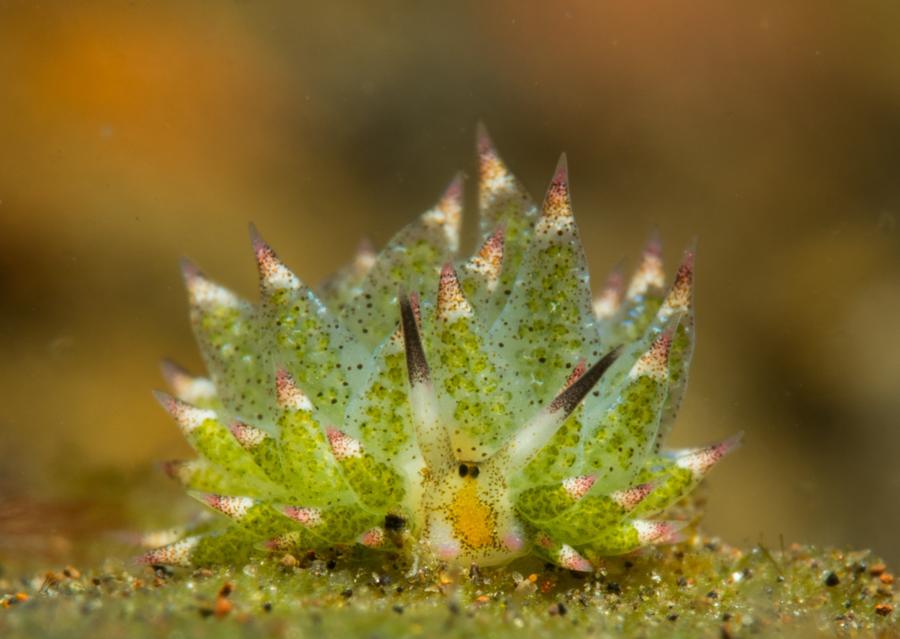
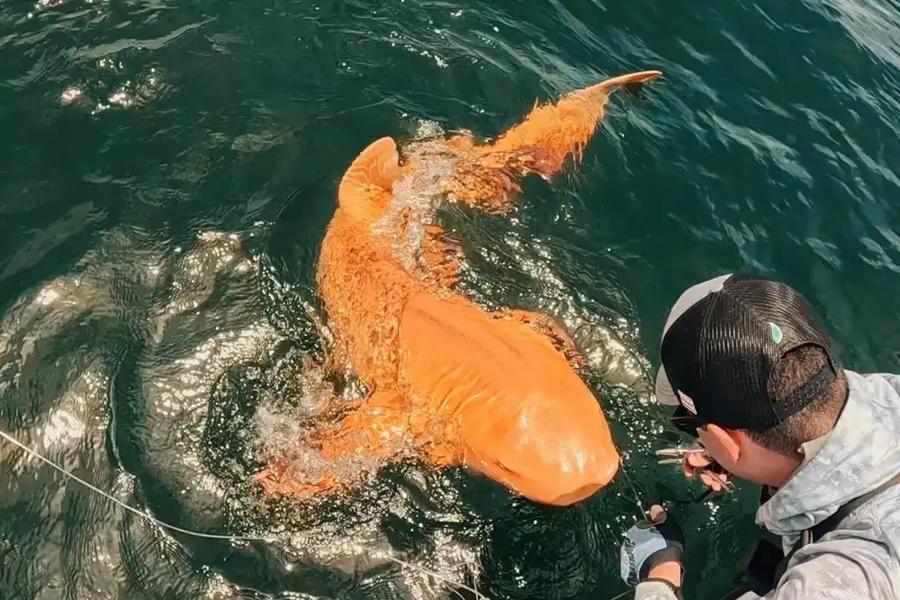
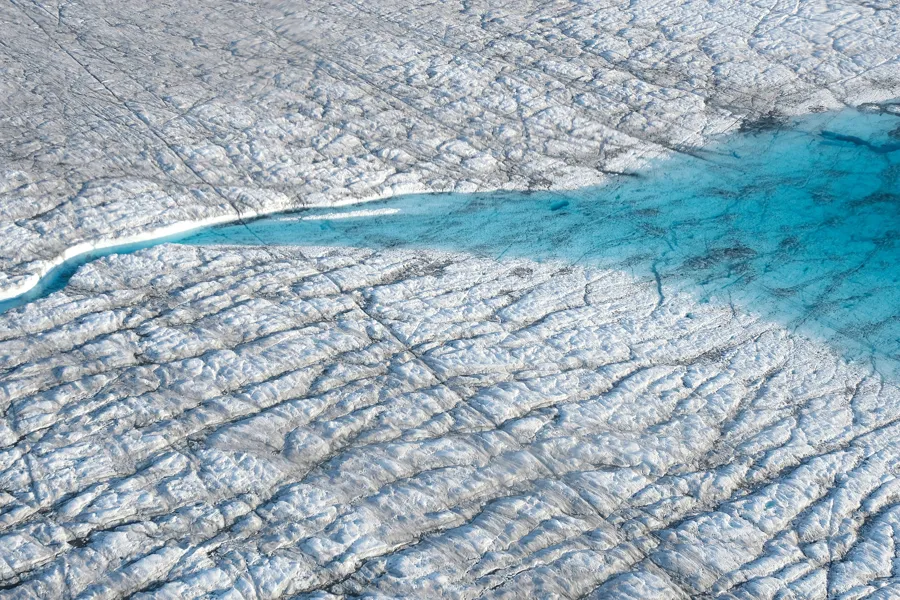
Environmental issues are hot topics these days. The Earth’s great glaciers are melting, oceans are more polluted, and many animal species are being pushed to extinction. The following account, however, is little known. But it is something that needs to be brought to our attention.
[read more...]
On Colombia’s Caribbean coast, hundreds of unique bird species flourish in the area around Santa Marta. These birds are endemic to the area, meaning they cannot be found anywhere else in the world. Recently, Laura Cardenas, a researcher of migratory birds, re-discovered a hummingbird previously thought to be extinct.
[read more...]
Developing new ways to cut back on greenhouse gases is a high priority for scientists. Researchers in the United Kingdom recently discovered a most unusual way to reduce agricultural methane emissions. Methane is one of the most damaging of the greenhouse gases.
[read more...]
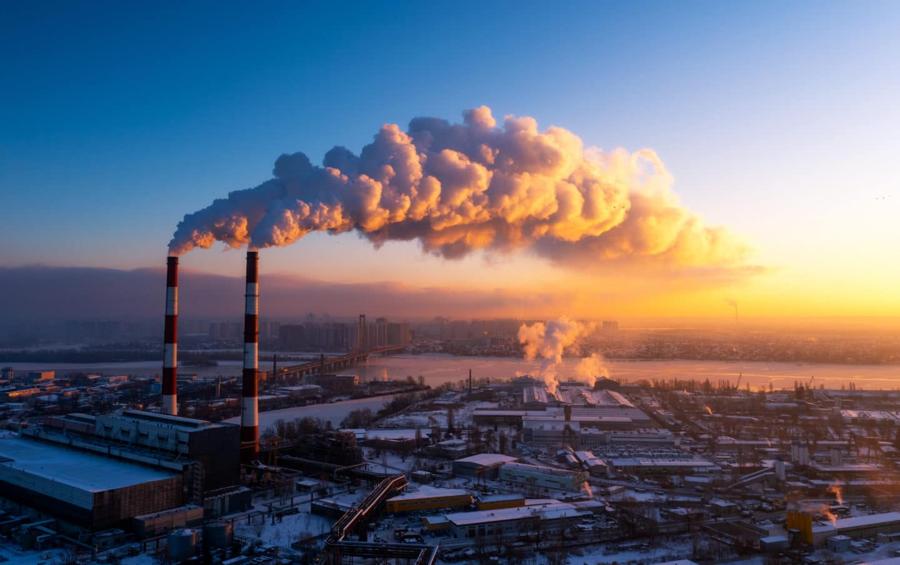
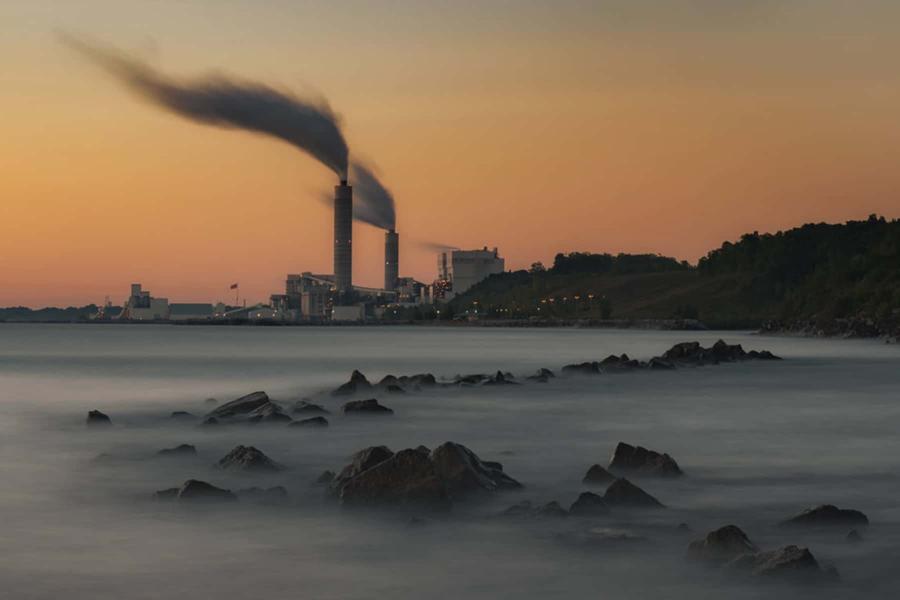
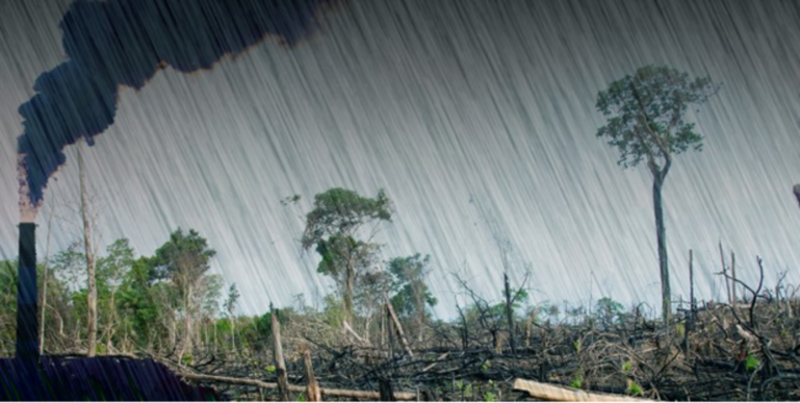
Black clouds from a coal-fired power plant on Charter Street help create an ever-expanding carbon footprint in downtown Madison. But this bleak image of a coal-fired power plant on the University of Madison-Wisconsin campus will soon change. The power plant, built in the 1950's and now powering the 42,000-student campus, is currently being converted to be a more environmentally-friendly.
[read more...]
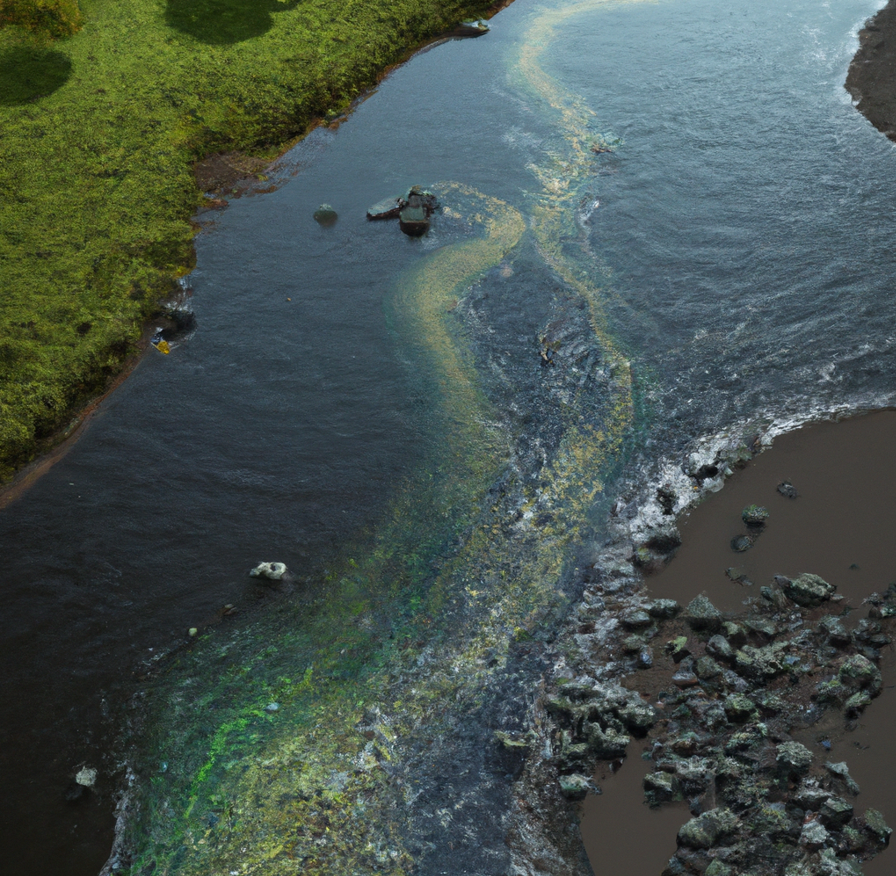
In the Gulf of Mexico exists the world’s second largest dead zone—a five thousand square mile expanse of water where underwater life struggles to exist. This oxygen-deprived area of the Gulf supports a thriving population of algae blooms, which feed off farmland runoff.
[read more...]
The debate about ethanol biofuel is getting particularly stormy in Wisconsin.
Wisconsin has long been an industry leader in producing ethanol as a fuel additive through the process of distilling corn into alcohol. While subsidies, tariffs on imported ethanol, and ethanol tax credits have supported the ethanol industry, this financial incentive and profit cushion is increasingly threatened by impending expiration of ethanol tax credits. These credits are set to end this year. The 2008 Farm Bill also reduced ethanol tax credits, by about 6 cents per gallon.
[read more...]
Currently, fossil fuels are the main fuel source humans use. The problem is that fossil fuels take millions of years to form and are non-renewable. Scientists and entrepreneurs continue to examine the potential of ethanol as a fuel source.
[read more...]
Landfills attract many types of animals. Rodents and small birds come to these places to find food. Raptors or birds of prey are attracted to the dumps by the large amount of rodents. Since one raptor can eat 1,800 rodents a year, these birds of prey help control the rodent population.
Unfortunately, raptors looking for a quick meal can get burned by the landfill’s methane burners.
[read more...]
Scientists are cooking up some new renewable energy ideas in efforts to cut methane emissions.
Animals, especially livestock, produce a greenhouse gas called methane. This gas traps heat with 25 times the efficiency of carbon dioxide. The trillions of farm animals around the world generate 18 percent of the emissions that are contributing to the rising of global temperatures. These emissions increase with the growing worldwide demand for meat.
[read more...]