






There are only about 300 Indochinese tigers in the world. About 100 of them live in Thailand, Lao PDR, and perhaps 30 living in Vietnam. The population in Myanmar is currently unknown. Although they originate in China, the last known Indochinese tiger spotted in China was killed and eaten in 2007 by a poacher.
[read more...]
When a person falls asleep, they experience a series of sensations, which they generally have no control over. This is known as dreaming. When people dream, they generally are not aware that they are in this state. However, in the phenomenon of lucid dreaming, people are aware.
[read more...]
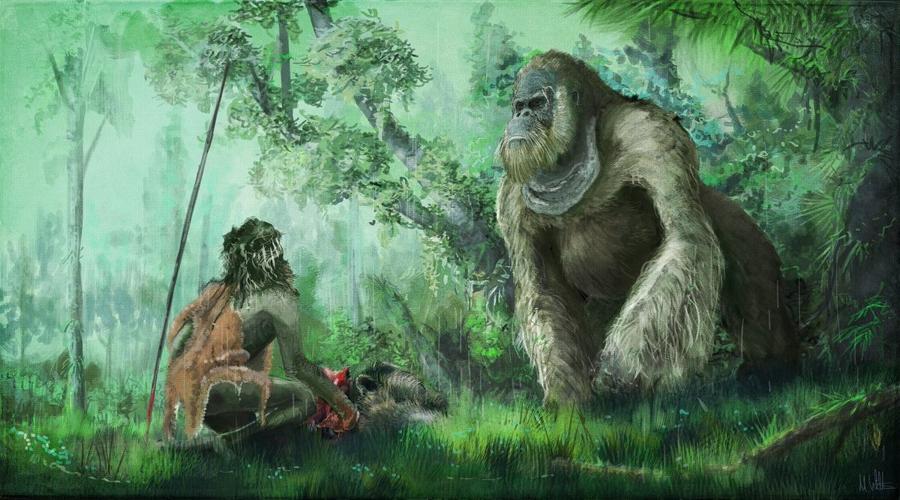
“Whether these particular birds went extinct after humans arrived, we don’t know and the trick is we don’t have a lot of fossils,” says Nicholas R. Longrich, a paleontologist at Yale. He is talking about the Xenicibus Xympithecus.
[read more...]
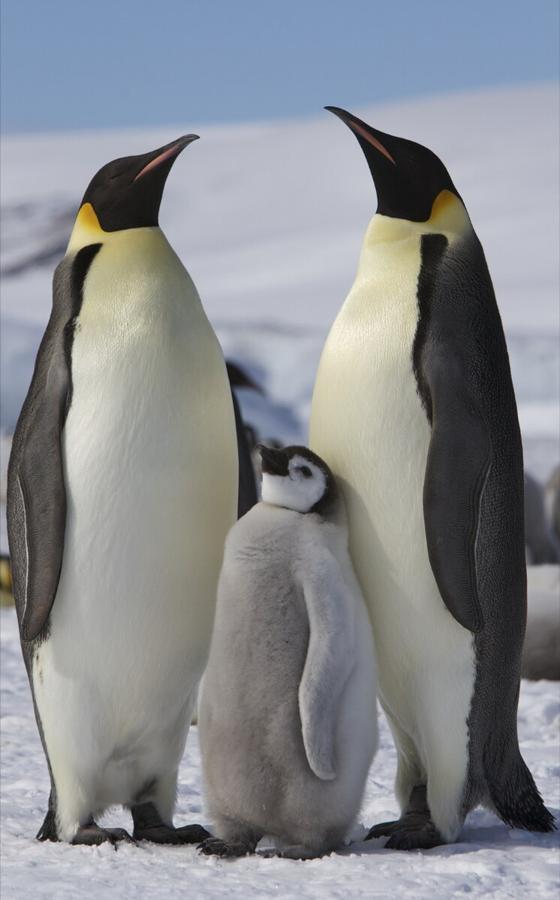
Penguin researchers have long debated the accuracy of the flipper bands used to track penguins and study their migration patterns. A recent study now raises ethical questions about the use of these bands.
[read more...]
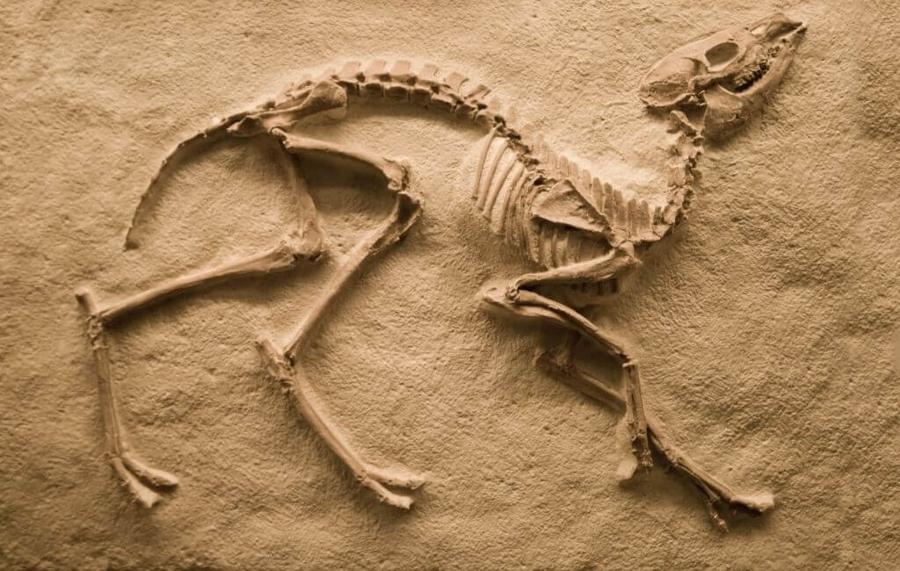
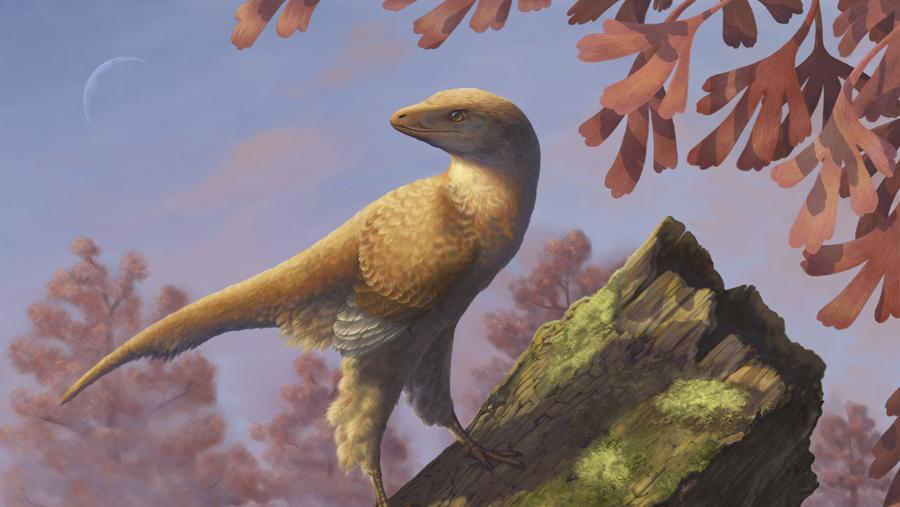
Researchers have discovered one of the earliest dinosaurs. Scientists recently unearthed a small, and formally very vicious, dinosaur called Eodromaeus. This species lived about 230 million years ago, a time when dinosaurs were just starting to populate Earth. Eodromaeus weighed up to 14 pounds and was about four feet long. This new study will be published in the journal Science.
[read more...]
When you think of people who have succeeded in math and science, many of us normally think of Einstein, Isaac Newton or Galileo. Are you surprised that they are all men? The history books have not had much to say about women and the sciences.
[read more...]
Most people know about ordinary volcanoes, but many have not heard about unique supervolcanoes. These extremely rare volcanoes are the worlds most powerful. They are rated number eight—the highest figure on the Volcanic Explosivity Index.
[read more...]
Building artificial organs from individual cells is a difficult task for scientists. However, medical may soon successfully meet this medical challenge using a new process: micromasonry.
[read more...]
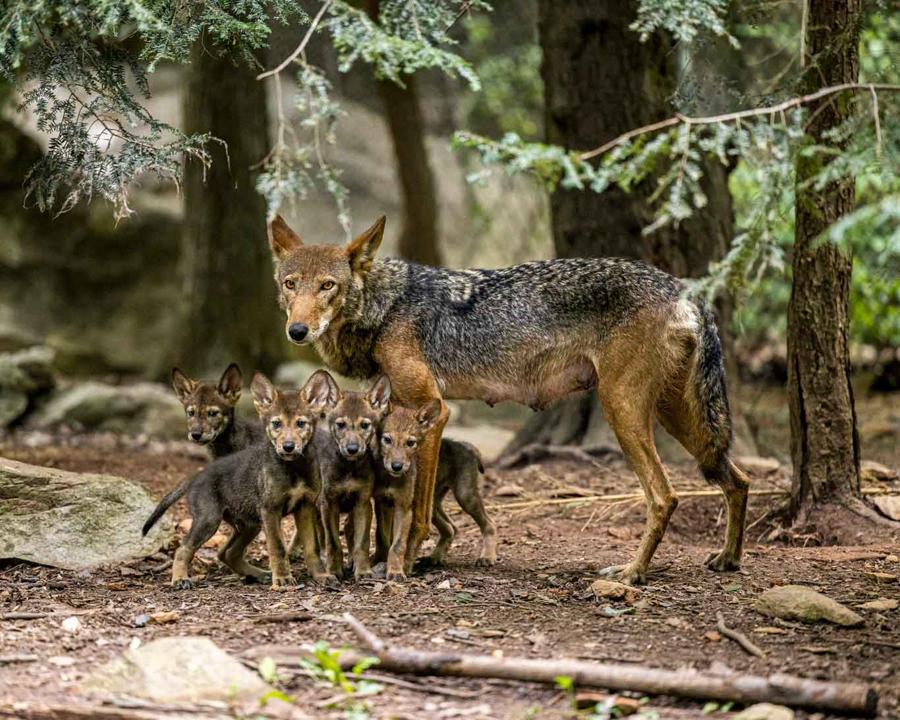
Over the last year, Wisconsin’s wolf population has grown by about ten percent. The Department of Natural Resources (DNR) counted at least 180 wolf packs in the state. Though some packs consist of as few as two wolves, 52 of Wisconsin’s wolf packs include at least five individuals. The state’s largest wolf pack is the eleven wolf Moose Road pack, which roams the forests of Douglas County.

[read more...]
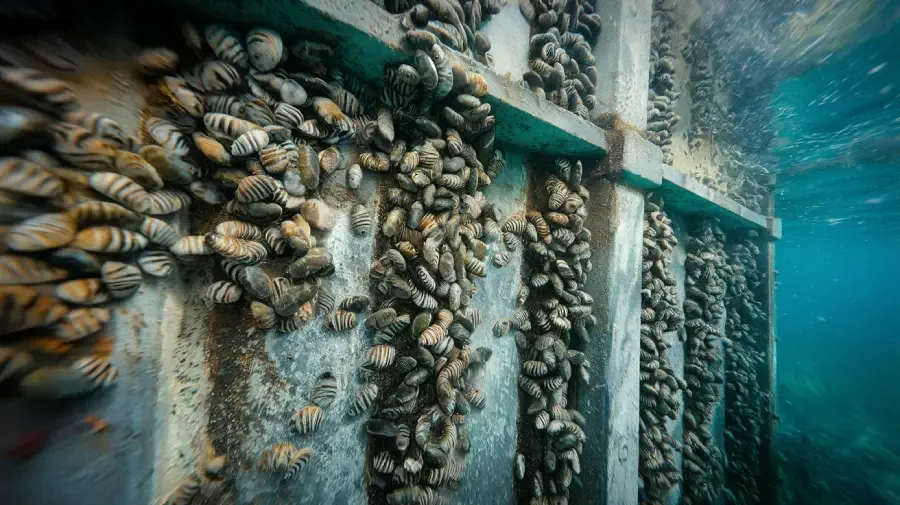
The zebra mussel is native to the Black Sea and the Caspian Sea. However during the past 20 years this species has found a way to the Great Lakes, Mississippi River, and California.
[read more...]
Five years ago Harvard University President Larry Somers sparked a nation-wide controversy when he said that women and girls may not have the same aptitude for math and science as their male counterparts. Part of what made these comments so controversial is that Somers is a well-known national figure. He currently serves as a Senior Economic Advisor with the Obama Administration.
[read more...]
The Food and Drug Administration (FDA) recently blocked the sale of the first over-the-counter personal genetics tests. This product was scheduled to hit the shelves of Walgreens and CVS Pharmacies this year. Many would have been thrilled with this opportunity to test their likelihood of developing genetic diseases. The FDA, however, certainly wasn’t jumping for joy.
[read more...]
Traditionally, when a cavity was discovered in a tooth, a dentist had to drill through the tooth to treat it. But a new tool has been developed that stops early-stage cavities. It is called the Icon system, and was developed by the dental-materials manufacturer DMG.
[read more...]
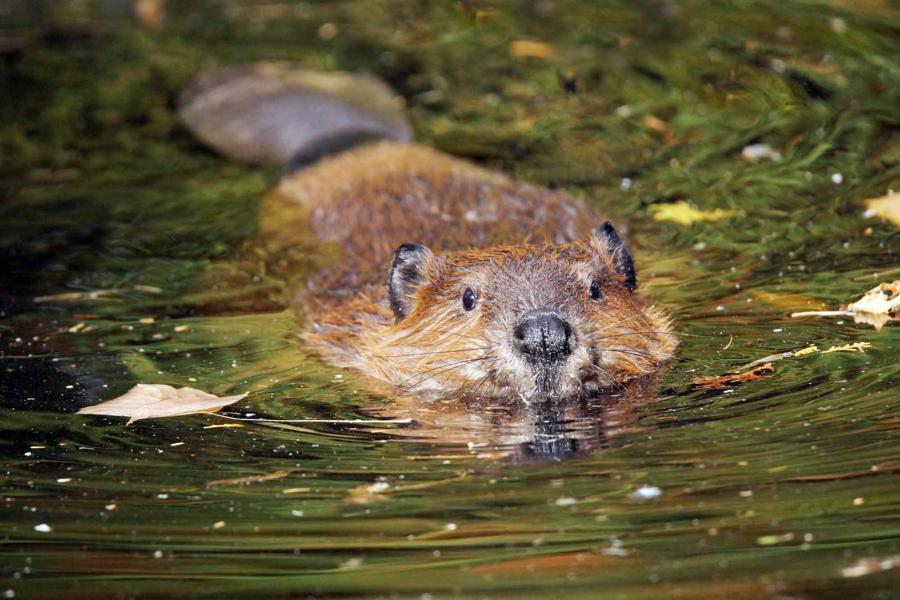
The nutria is a furry, rat-like rodent that has been invading the southern wetlands of the United States. Originally from South America, nutria were brought here in the 1930s and ‘40s and bred for their fur. When fur went out of style, many were released into the wild.
[read more...]
Fifteen years ago, a peace treaty between Israel and Jordan started a scientific cooperation between the two countries. As a result of this cooperation, a new species of desert spider has been found. The Cerbalus aravensis was recently discovered in the Sands of Samar, a dune area on the border of Israel and Jordan.
[read more...]
All over the world, plants and animals of different species from varied environments reproduce. One thing that is different across species is the mechanism that determines gender.
[read more...]
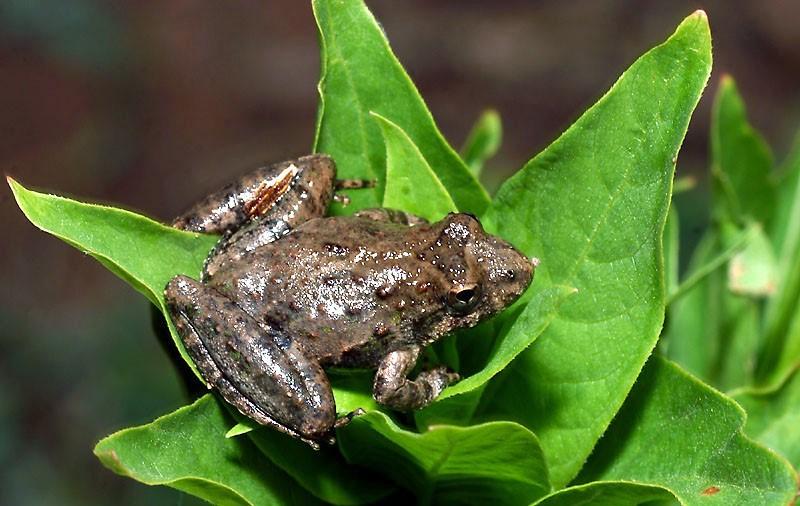
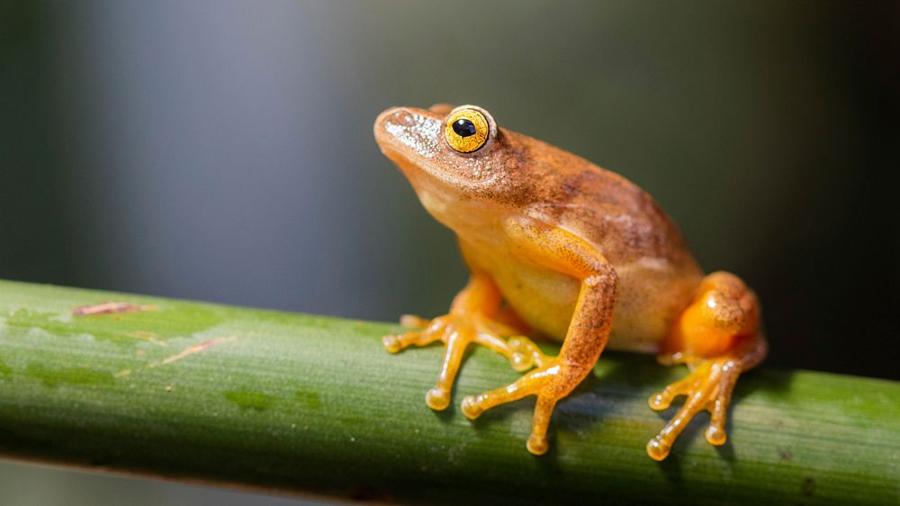
Shy, swift, and elusive, tree frogs leap from tree to tree with amazing agility, making them difficult for humans to observe. Wisconsin is home to two different species of tree frogs: the eastern gray (hyla versicolor) and the Cope’s gray (hyla chrysoscelis).
[read more...]
Ten years ago, Paul Sereno of the University of Chicago led a team of paleontologists into the Sahara Desert. During the expedition, these scientists found the remains of the largest known crocodile ever to walk the Earth. They dubbed their new discovery SuperCroc.
[read more...]
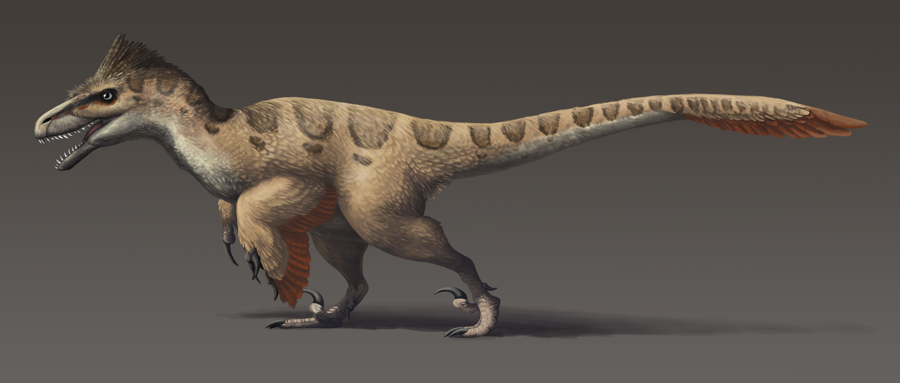
When we envision a dinosaur catching its prey, we usually imagine a ferocious T-Rex viciously clawing, biting, and gulping down some poor animal. But one dinosaur in particular appears to have used a very different technique.
[read more...]