|
|
|
Famous Greensboro Lunch Counter Becomes a Cornerstone Exhibit at Smithsonian
by Rosalinda Villegas, age 14
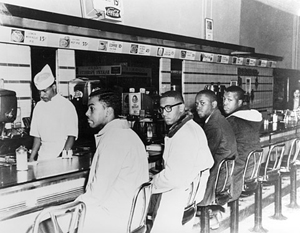
The date was February 1, 1960. The place was Woolworth’s restaurant in Greensboro, North Carolina. It all started when four college freshmen, Franklin McCain, Ezell Blair Jr, Joseph McNeil and David Richmond, entered the “whites only” Greensboro Woolworth’s and sat down at the lunch counter. They had no idea what they were getting themselves into.
Sitting on the stools, they asked the waiters to serve them and were refused because the four freshmen were not white. Instead of leaving however, these students decided to launch a protest. It would last for six months. Little did they know their actions would change America.
News of the sit-in soon spread. And on February 4th, 1960, African American students and students of other ethnicities filled up 63 of the 66 seats in the restaurant. As the news quickly spread, even more similar sit-ins occurred in other North Carolina cities.
More then three decades after these now famous protests, Woolworth’s closed down Greensboro restaurant in October 1993. Local officials and historians decided that some of the lunch counter belonged at the Smithsonian Institute in Washington. Local carpenters removed an eight-foot section with four stools. They placed the counter at America’s most famous museum within sight of the flag that inspired the national anthem.
Joseph McNeil is now a 67-year-old retired Air Force Major. He says the idea of this protest had been around a while, he and his friends had always wanted to make a difference and help fight the discrimination he saw growing up. Luckily, he and his friends did just that.
[Source: Smithsonian]
|
|