What Makes Hurricanes and Tornadoes So Dangerous?
by Arsema Biruk, age 8
A hurricane is a violent storm that forms over warm oceans during the hottest months. It starts when warm, moist air rises and forms clouds full of water vapor. As the hurricane approaches land, it can cause terrible damage, although it often begins to weaken without the warm ocean waters to fuel it.
Hurricanes are given names selected in alphabetical order, alternating between masculine and feminine names with each new occurrence. One example is Hurricane Katrina from 2005, which remains one of the most expensive natural disasters in U.S. history. The hurricane hit New Orleans, Louisiana, causing $160 billion in damage and resulting in about 1,800 deaths.
In Bangladesh and other areas around the Indian Ocean, hurricanes are called cyclones. For example, in 1991, a giant cyclone struck Bangladesh with deadly winds up to 140 miles per hour, causing floods over 500 square miles. This disaster left ten million people homeless and caused an estimated 138,000 deaths, primarily from flooding and storm surges.
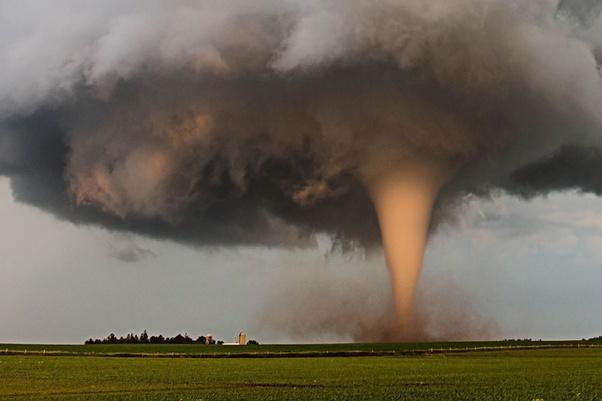
Similarly, a tornado is a funnel-shaped cloud that comes down from storm clouds to the ground, pulling up dust and debris as it moves. Tornadoes can tear trees from the ground and destroy everything in their path, including cars and buildings. The destruction from tornadoes makes it extremely dangerous to be outside during this weather phenomenon.
In the United States, roughly 1,000 tornadoes are reported annually. Certain areas in the U.S. are more prone to tornadoes, such as the Mississippi Valley, which is part of a region known as Tornado Alley. This narrow stretch ranges from South Dakota to Northern Texas and includes parts of Oklahoma, Kansas, and Nebraska.
Tornadoes and hurricanes are both storms that cause significant damage due to their powerful winds and force. If you are caught in a tornado, it is crucial to find shelter on the first floor or below ground in a place with the least number of windows and doors.
[Source: The Children’s Factfinder]











Loading Comments...