Why Is Halloween Celebrated on October 31st?
by Elim Eyobed, age 13
On October 31st, people in the United States celebrate Halloween. During this holiday, people walk through neighborhoods knocking on doors for treats, an activity commonly known as trick-or-treating. This holiday has roots that go back more than 2,000 years, while the trick-or-treating tradition as we know it today has been around for about a century.
Halloween originated from a Celtic festival called Samhain, which took place in what is now Ireland, parts of the United Kingdom, and northern France. The Samhain festival marked the end of summer and the start of harvest and winter. To honor this event, Druids lit bonfires where people burned crops and sacrificed animals to Celtic gods. The Celts wore costumes made of various animals as part of the tradition. These costumes were meant to ward off spirits, as it was believed that during Samhain, the boundary between the living and the dead became thin, allowing spirits to cross over.
In the eighth century, Pope Gregory III recognized November 1st as the designated date to honor all saints. This eventually led to All Saints' Day, which incorporated some traditions of Samhain. The day after, November 2nd, became All Souls Day, a time for Christians to remember the deceased. The night before All Saints' Day became known as All-Hallows Eve, which later evolved into Halloween.
American colonists were initially responsible for bringing Halloween to America. Early celebrations consisted of public events called “play parties” used to celebrate the harvest. Halloween became especially popular in Maryland and southern states. However, the holiday didn’t become widely celebrated across the country until the 19th century when Irish and Scottish immigrants brought their customs.
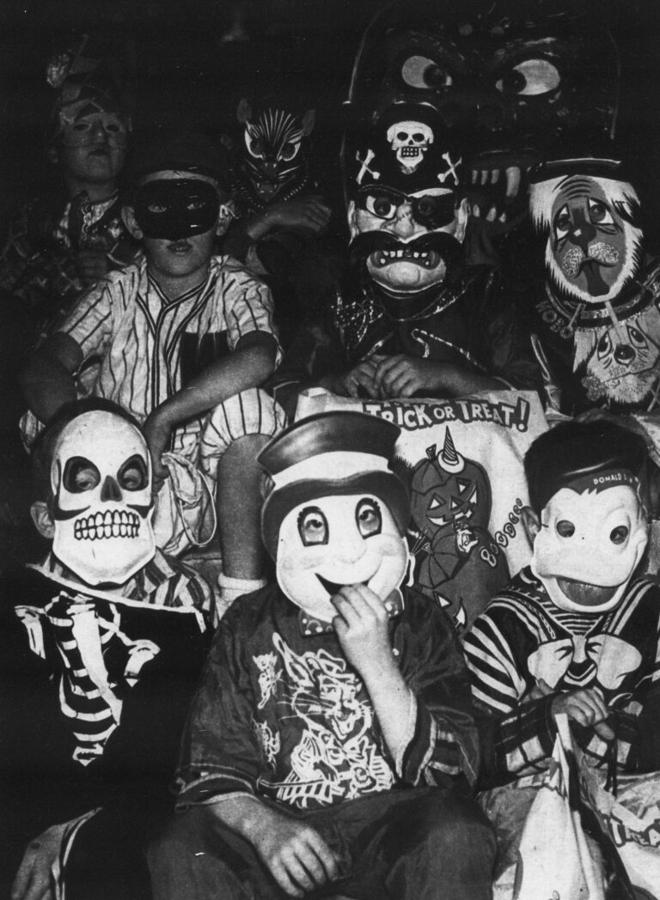
Trick-or-treating began when Americans started to wear costumes and ask neighbors for food or money, a practice influenced by older European traditions like "souling," where people prayed for the dead in exchange for treats. By the 1930s, this evolved into children going door-to-door for candy. People started hosting house parties to shift Halloween’s focus away from spooky themes and make it more enjoyable for kids. By the start of the 21st century, the religious association with Halloween had faded, and the holiday became more about fun and community.
Whether it’s sharing ghost stories with friends or enjoying treats with neighbors, Halloween offers a fun and festive way to connect with others.
[Source: History]











Loading Comments...