Ho-Chunk History Remains Deeply Connected to Wisconsin
by Ayelen Flores, age 16
Among other tribes, the Ho-Chunk are one of the most recognized and well-known in Wisconsin. Throughout their history, they have experienced many hardships, one being forced off their land by the United States government. The Ho-Chunk are a unique Native American tribe with a different system of government, a distinctive way of sustaining life, and a culture that can still be seen throughout Wisconsin.
The Ho-Chunk first interacted with Europeans in 1634 in the Green Bay region and Fox River Valley regions, where they stayed. Due to the contact between Europeans and the Ho-Chunk, Native Americans suffered from starvation, diseases, and warfare, resulting in a decline in their population. They went from 5,000 members to roughly 600 members. The 1830s was a period of going back and forth between their homeland in Wisconsin and the Neutral Ground in Iowa, where they were forced to go. Many Ho-Chunk people lived north of the Wisconsin River, but they signed a treaty with the U.S. that took their land away in 1837. The Ho-Chunk were unaware of many of the requirements of the treaty, especially the fact that they were given only eight months to leave the ceded lands.
Although they were given a couple of months, the U.S. wanted them off as soon as possible and had the army round up Ho-Chunk members. However, the U.S. did not realize the tribe could simply go back to those lands or move to other land within Wisconsin. The conflict grew, but the Ho-Chunk always returned, until finally in the 1880s the government permitted them to stay in Wisconsin and gave them land.
The Ho-Chunk have a distinct type of government that makes the tribe stand out from other tribes. It consists of four different branches: executive, legislative, judicial and the general council. The government served federal, state and local roles, while also having a traditional government with a chief and clan. The branches are the same as the U.S. government, but their officials have different roles. For example, the executive branch only consists of the president who enforces laws made by the legislature which includes the vice president. The judicial branch is essentially made of three courts: the Supreme Court, Trial Court, and Traditional Court. The general council manages legal matters.
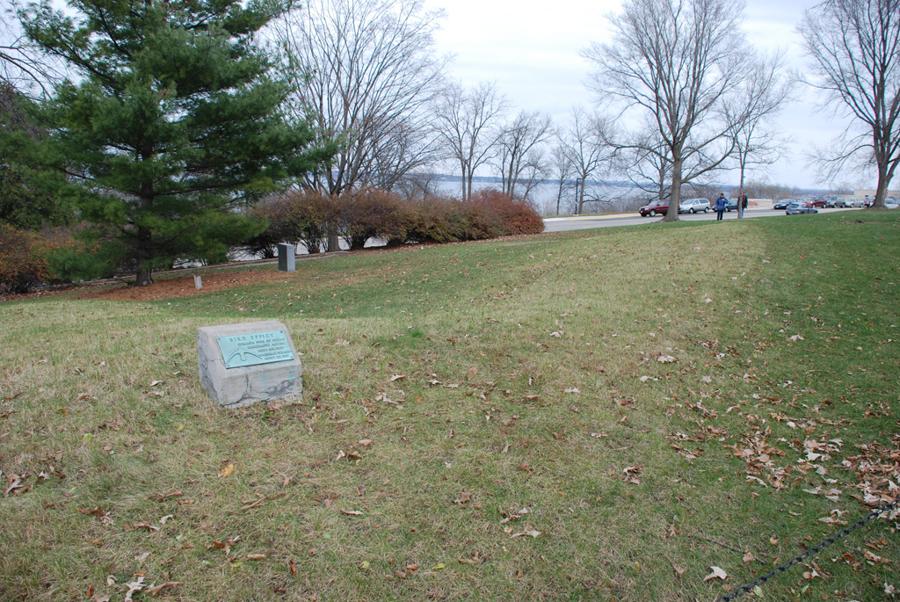
The Ho-Chunk are also called the Winnebago, and they refer to themselves as Ho-chungra, which means “people of the parent speech” or “people of the Big Voice,” a reflection of who they are. The Ho-Chunk people have consistently tried to speak up about tribal rights and fight for what they believe in. Much of the impact the Ho-Chunk have made is not only seen in their history, but there are also things like sacred effigy mounds, burial grounds for their people. They are also heavily involved in improving the environment for the people. They often opposed new changes that will affect the vibrant species of plants in Wisconsin.
Although the history of the Ho-Chunk people is not taught in schools, it is important to know their story and contributions to Wisconsin. The tribe has had a significant impact on Wisconsin landscapes with their beautiful animal-shaped effigy mounds. The Ho-Chunk are friendly and caring towards their people and the land. It is crucial to continue to talk and keep their roots alive moving into the future.
[Source: www.mpm, ho-chunknation]











Loading Comments...