How a Tick Bite Can Make You Allergic to Red Meat
by Moore Vang, age 16
Ticks have lingered around on Earth for millions of years, however, some pose life-altering threats. Certain ticks like the lone star tick and the black-legged tick contain alpha-gal, a sugar molecule that they carry in their saliva.
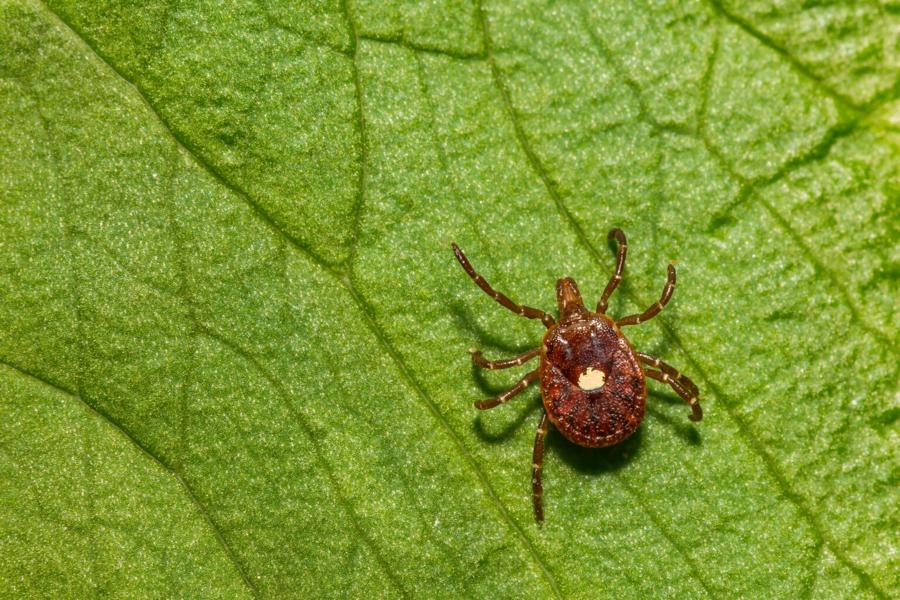
These ticks fall under the category of hard-bodied ticks and are noticeable based on their physical features. Female lone star ticks have a white spot on their back, while males feature white streaks or a reddish-brown body. The lone star tick is the main cause of alpha-gal syndrome.
When a human is infected by these ticks with alpha-gal syndrome, the immune system reacts violently and develops an allergic reaction to foods containing alpha-gal such as red meat, beef, pork, lamb, milk, gelatin, and much more. The bite does not transmit bacteria or a virus unlike how other diseases are transmitted.
The effects of alpha-gal syndrome vary, several symptoms reported from the allergy included stomach issues and abdominal pain, diarrhea, and vomiting. Some symptoms occur later in life after the bite develops. This is unique from other tick-related illnesses like Lyme disease or other syndromes where symptoms develop more quickly. Epidemiologist Johanna Salzer, who works in the U.S. Centers for Disease Control and Prevention, said “Alpha-gal syndrome can present very differently from patient to patient.” These various effects make it more difficult for health experts to diagnose the disease.
In the mid-2000s, the cause of alpha-gal syndrome was unknown, as only the symptoms of the syndrome had been reported. However, these patients reported that tick bites had occurred beforehand and that they had allergic reactions to meat. In 2009, it was discovered that alpha-gal from ticks caused these allergic reactions, specifically to red meat such as beef, pork, and lamb.
From 2010 to 2022, there were 110,000 cases reported in the U.S (Salzer and her colleagues estimated). However, this could be underestimated as nearly 450,000 people could be impacted, according to health experts. Cases of the syndrome were mostly reported in the South, Midwest, and Atlantic regions of the U.S. according to a 2017-2022 analysis. In a 2023 survey, 42% of healthcare providers were unaware of the condition, while half were uncertain about the equipment needed to provide a proper diagnosis.
Currently, there is no cure for the illness, as researchers have yet to study it thoroughly. People who are bitten by these ticks should avoid eating any red meat to avoid allergic reactions unless told otherwise by a medical professional. Hanna Oltean, an epidemiologist at Washington State Department of Health, warns people about the syndrome’s threat, “It’s important for people to be aware of the risk so that they can take appropriate precautions.” People can avoid these ticks by staying out of tall grassy areas and wearing tightly woven clothes.
Ticks are very harmful and cause long-term effects on people’s health. “Preventing that bite is really the main message,” said Salzer.
[Sources: Science News; Health & Medicine; Cleveland Clinic; Diseases & Conditions]











Loading Comments...