FDA Officials Ban Red Dye #3 Food Additive
by Siwoo Park, age 13
Red Dye No. 3 is an additive found in everyday products such as processed snacks and candies. However, the federal government has decided to ban this vibrant, vivid ingredient because it could lead to cancer.
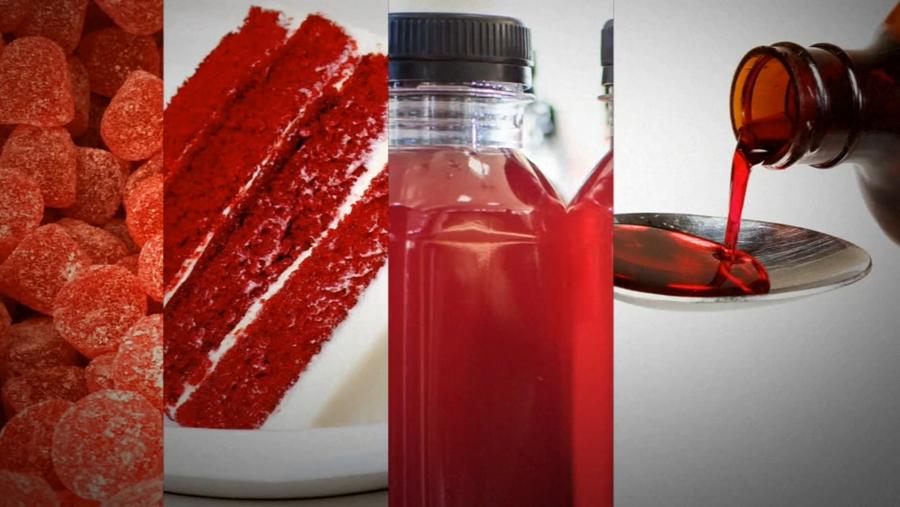
The additive also known as erythrosine, or Red Dye No. 3, is a synthetic dye used in candies, baked goods, frozen treats, processed snacks, and even medication. The most common form of erythrosine people will see is red licorice, cherry or strawberry gummies and hard candies, red icing, and jello. Researchers concluded that this commonly used dye has links to cancer.
Researchers studying Red Dye No. 3 since the 1980s, found lab rats showed signs of cancer after being exposed to the colorant. The Delaney Clause–a section of the Federal Food, Drug, and Cosmetic Act–proposed that Red Dye No. 3 is potentially dangerous.
There are many reasons why the FDA has not banned erythrosine sooner. Rats and humans have different cancer-causing mechanisms. Also, the lab rats had been exposed to way higher doses of Red Dye No. 3 than humans normally consume.
Industry lobbyists promoted the continued use of erythrosine to avoid the cost of switching ingredients. The FDA is also known to address more acute emergencies, but sometimes avoids more controversial issues.
Nevertheless, authorities decided to ban Red Dye No. 3 because of the potentially deadly consequences. Erythrosine in food products will be discontinued in 2027 and medication in 2028.
Despite what some see as the long-term inaction of FDA authorities, health experts say the public will benefit now that the FDA has recognized the situation and banned the dye.
[Sources: CNN; Forbes; Healthline; Live Science; U.S. Food and Drug Administration]











Loading Comments...