Could Seaweed Help Save the Planet?
by Will DeFour, age 16
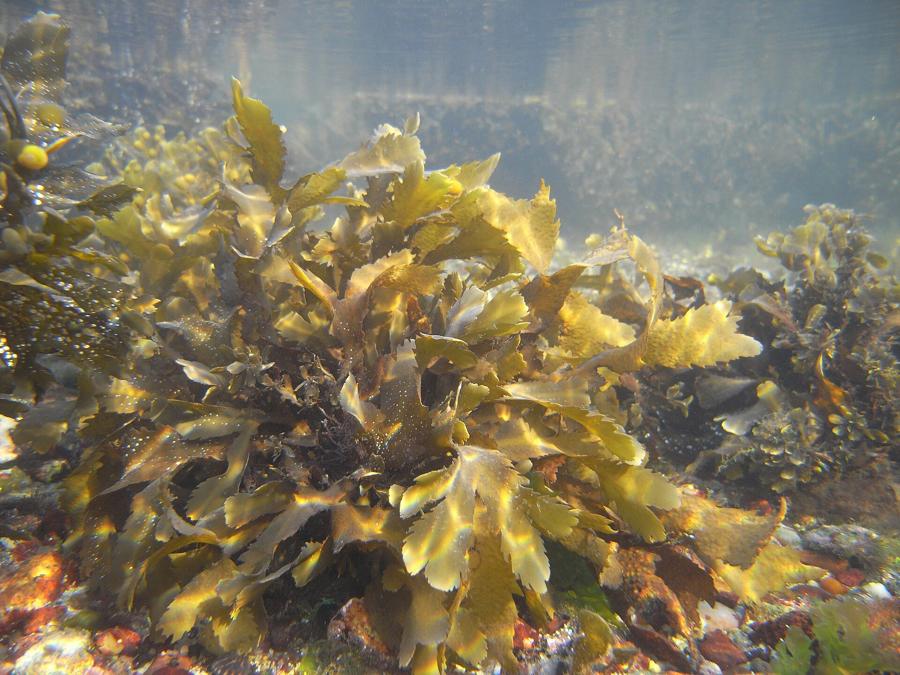
Seaweed makes up only a fraction of the global food industry, yet its expansion could be a small step toward net zero carbon emissions.
Agriculture is one of the largest contributors to human carbon dioxide emissions. It is responsible for 80% of human-driven land destruction. Additionally, up to a third of all greenhouse gas emissions are linked to food production. Seaweed aquaculture on the other hand uses no land, and emits minuscule amounts of greenhouse gases during growth. Due to the lack of freshwater and fertilizer needed to grow it, seaweed is the least resource intensive, and one of the least impactful foods on the planet.
Encouraging the growth of the seaweed industry will not just lead to cleaner meals, but also cleaner products. Biodegradable plastic substitutes like bioplasts reduce land and sea pollution, and are less carbon intensive to produce. Seaweed is growing as a promising contender of this innovative field, as it is already more ecological than other crops and grows at up to two feet per day in some cases, making it plentiful. Seaweed is also useful in agriculture practices as a low impact biostimulant, releasing half the carbon as chemicals do in similar cases.
Despite this, seaweed has yet to be widely implemented. The industry suffers from the high cost of seaweed compared to its alternatives, driving higher prices that disincentivize its wider usage. Seaweed farming is also not globally widespread, and restricted to Asia, only two percent of all seaweed farms are not based in the continent. Its locality prevents these products from being used worldwide. This density does not help the fact that the majority of seaweed farmed is part of just one of five sub-species; a low diversity rate makes seaweed farms vulnerable to diseases. A wider variety of seaweeds would not only protect farms, but also widen its use, as each seaweed has different traits. Seaweed farms are also not fully exercising the effects of wild seaweed for carbon sequestration. Wild seaweed absorbs carbon, then upon death, sinks to the ocean floor where the carbon remains stored for centuries. Farmed seaweed for the most part is taken out of the ocean and upon consumption, released back into the atmosphere.
Seaweed has many applications to solving real world problems, as a low impact food and bioplast material. Today its uses remain limited, but with more innovation, it could become far more useful, and help grow a more sustainable world for our planet.
[Sources: PBS, Nature]











Loading Comments...